TL;DR:
- Limited edition swords are produced in small, numbered runs with documented provenance and unique features, making them highly desirable to collectors. Their rarity, craftsmanship, and cultural significance contribute to long-term value and emotional appeal. Proper care, documentation, and patience are essential for preserving their value and authenticity over time.
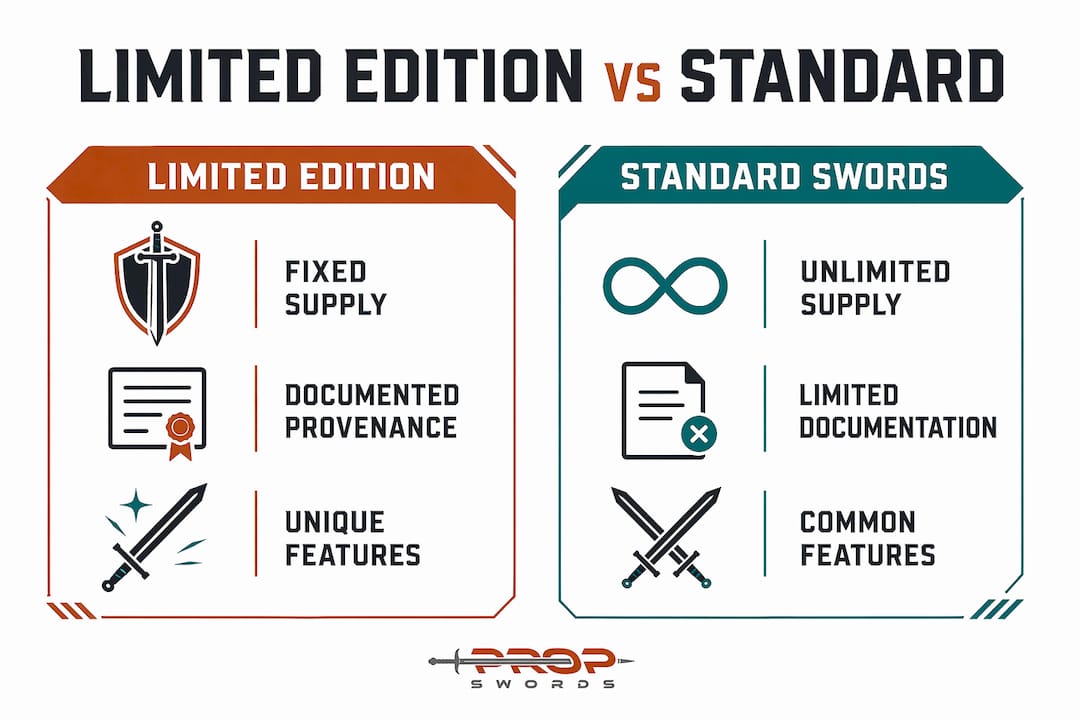
Limited edition swords are defined as blades produced in fixed, numbered runs with documented provenance, artisan attribution, and unique physical characteristics that mass-produced swords cannot replicate. This is the core reason why collectors prefer limited edition swords over standard production pieces. Rarity creates exclusivity, expert craftsmanship connects the blade to human history, and cultural narratives give each sword a story worth owning. Collectors who understand these three drivers build collections that hold meaning and, in many cases, significant financial value over time.
Why collectors prefer limited edition swords: rarity and production runs
Scarcity is the foundation of collector value in any category. A sword produced in a run of 50 numbered pieces guarantees that no more than 50 collectors worldwide can own that exact blade. That ceiling on supply is what separates a collectible from a commodity.
Limited edition runs often come with personalized or unique features unavailable in standard swords. Engravings, numbered certificates, and custom fittings make each blade distinct, which increases both collector attachment and resale value. The rarity in sword collecting is not accidental. Makers deliberately restrict production to protect the exclusivity that collectors pay for.
The parallel holds across collectible categories. Limited edition ceramics follow the same logic: a fixed run signals intentional scarcity, and that signal drives demand. Sword collectors recognize this pattern and respond to it the same way.
Key reasons rarity drives collector preference:
- Numbered certificates confirm authenticity and production limits
- Fixed runs prevent market saturation, which protects long-term value
- Unique physical features like custom engravings create one-of-a-kind ownership
- Scarcity generates community interest, which sustains demand in secondary markets
- Collectors gain social recognition within enthusiast communities for owning rare pieces
Pro Tip: Always verify the numbered certificate and production run documentation before purchasing a limited edition sword. A blade without traceable documentation is not truly limited edition, regardless of what the seller claims.
How craftsmanship and authenticity define collector-grade swords
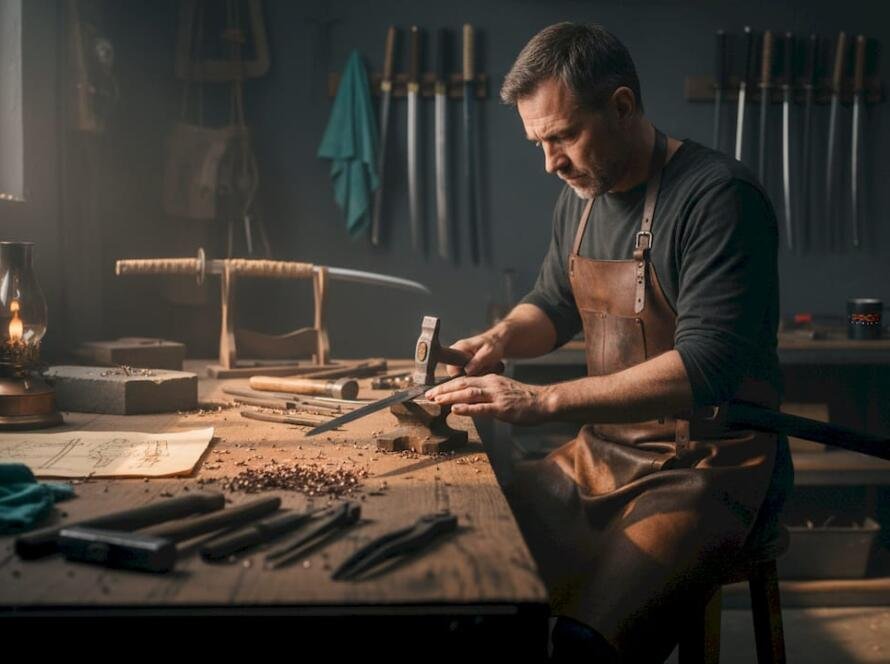
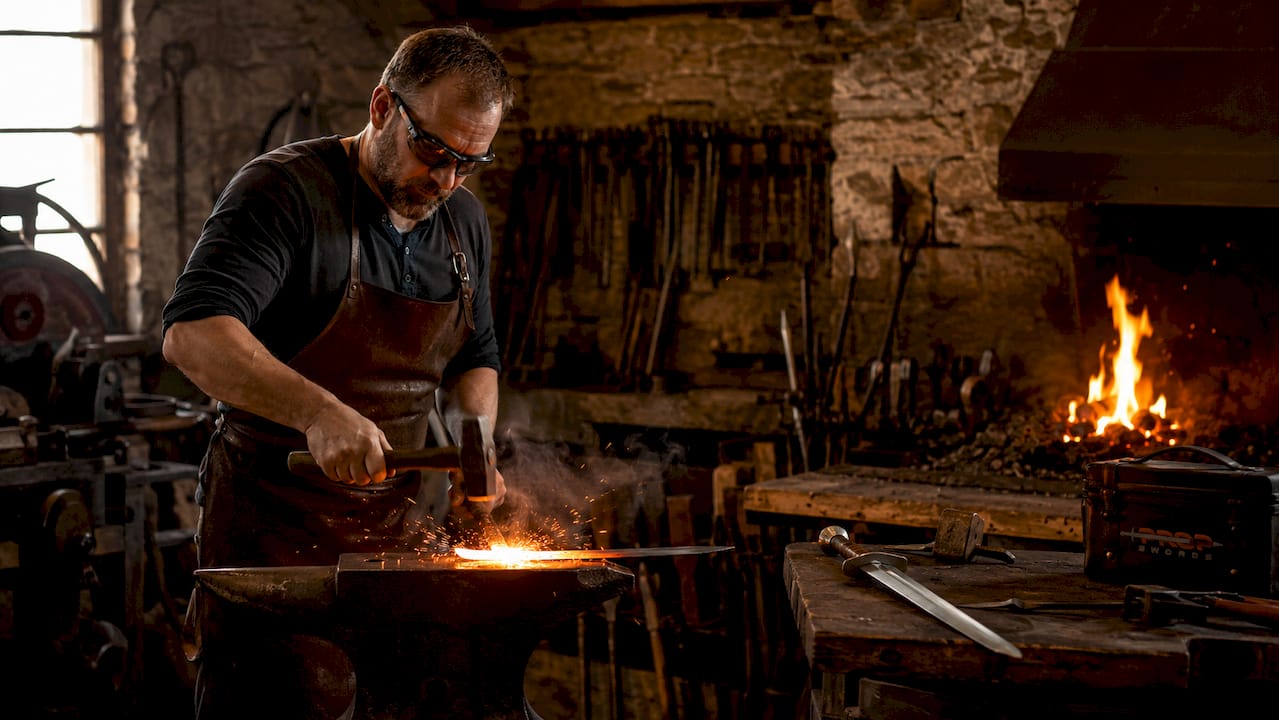
Hand-forged blades represent real craft, not assembly-line production. No two authentic Japanese swords are identical because each smith uses a unique clay formula, forge temperature, and quenching technique. That physical individuality is what makes hand-forged blades irreplaceable objects rather than interchangeable products.
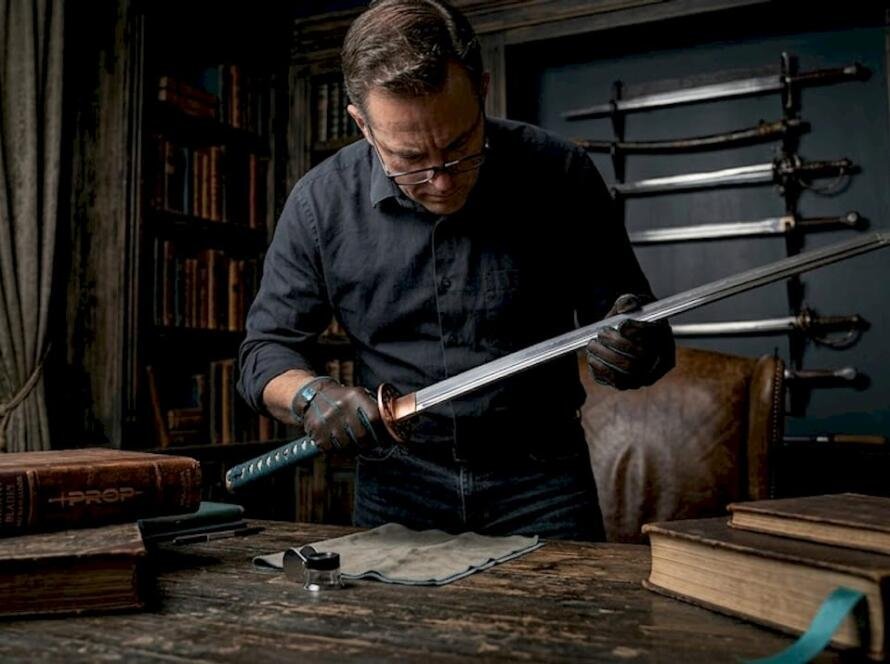
Documentation and attribution raise trust and value in equal measure. A sword traced to a named smith, a specific workshop, or a documented historical period carries weight that an unsigned blade cannot match. Collectors who verify sword authenticity before buying protect themselves from overpaying for pieces that will not appreciate.
The connection to traditional smithing culture runs deep. Swordsmiths in Japan, Germany, and Spain passed techniques across generations, and those lineages are documented in guild records and national registries. A blade tied to that lineage carries historical credibility that no modern reproduction can manufacture.
Condition and provenance are the two most critical quality indicators for long-term value. Swords with detailed certification and known ownership history consistently outperform unsigned equivalents at auction, regardless of age alone. That pattern tells collectors exactly where to focus their due diligence.
Factors that define collector-grade craftsmanship:
- Hand-forged construction with documented smith attribution
- Traditional heat treatment methods visible in the blade’s hamon (temper line)
- High-carbon steel or tamahagane construction for authentic Japanese pieces
- Period-accurate fittings including tsuba, menuki, and handle wrap
- Condition grading from recognized appraisal bodies or specialist dealers
“Hand-forged swords are tangible archives. They inspire deeper appreciation than mass-produced replicas because they carry the physical evidence of a craftsman’s decisions in every inch of the blade.”
Collectors who use the historical swords checklist developed for expert evaluation give themselves a structured framework for assessing these factors before committing to a purchase.
Why cultural stories make limited edition swords more desirable
Cultural significance amplifies collector passion in ways that pure craftsmanship alone cannot. A sword tied to a samurai legend, a cinematic icon, or a documented historical event carries narrative weight that transforms the object from a blade into a symbol. Collectors value swords tied to legends, samurai culture, or cinematic icons for their symbolic power, not just their physical quality.
The appeal of limited edition swords in pop culture is well established. Movie replica swords from franchises like The Lord of the Rings, Game of Thrones, and Demon Slayer sell out in hours when released in limited runs. The cultural connection creates urgency that standard production pieces never generate.
Four cultural categories that consistently drive collector engagement:
- Samurai and feudal Japanese swords. The katana carries centuries of Bushido philosophy and warrior culture. Collectors drawn to Japanese history find that owning a well-attributed katana connects them to that tradition in a way no book or museum visit replicates.
- Viking and medieval European swords. Blades modeled on Norse or Carolingian designs carry the weight of migration-era history. Collectors focused on European heritage respond to the same narrative pull.
- Movie and anime replica swords. Cinematic and animated franchises create passionate fan communities. A limited edition replica of an iconic screen sword carries both cultural identity and fandom status.
- Fantasy and mythological swords. Blades inspired by Arthurian legend, Norse mythology, or original fantasy worlds give collectors a way to own a piece of a story they love.
Hand-forged blades connect collectors physically to human history in a way no digital or museum experience can replicate. That physical connection is the emotional core of why collectors buy limited edition swords rather than simply reading about them.
Investment and long-term value in limited edition swords
Limited edition swords can appreciate significantly when the right conditions align. Masterworks by notable swordsmiths can command prices over $150,000, while unsigned equivalents may sell for under $10,000. That gap illustrates how attribution, rarity, and condition compound into financial value over time.
The comparison between limited edition and common swords is stark at the high end of the market. Standard production swords depreciate like most consumer goods. Limited edition pieces with strong provenance hold value and often appreciate as the collector community grows and supply stays fixed.
| Factor | Limited edition swords | Standard production swords |
|---|---|---|
| Supply | Fixed, numbered run | Unlimited or large batch |
| Attribution | Named smith or maker | Anonymous production |
| Documentation | Certificate of authenticity | Rarely included |
| Resale value | Appreciates with condition | Depreciates over time |
| Collector demand | High, community-driven | Low secondary market |
Timing and patience matter more than most collectors expect. Value growth in limited edition swords rarely happens in months. It builds over years as the collector community recognizes the piece, supply stays fixed, and condition is maintained. Collectors who track sword market trends position themselves to buy at the right moment and hold with confidence.
Pro Tip: Treat documentation as part of the sword itself. Store certificates, appraisal records, and ownership history in acid-free sleeves alongside the blade. A sword without its paperwork loses a measurable portion of its market value.
The risks are real. Fakes, misattributed pieces, and condition damage can erase value entirely. Collectors who approach limited edition swords from genuine passion rather than pure investment motives tend to make better long-term decisions because they research deeply and buy carefully.
How to care for limited edition swords and protect their value
Proper stewardship transforms sword ownership into something closer to a practice than a hobby. Regular maintenance and preservation rituals create intimacy and connection that goes beyond simply owning an object. Collectors who care for their blades consistently report a deeper relationship with their collection than those who display and ignore.
The physical requirements are straightforward but non-negotiable. Moisture, fingerprints, and improper storage are the three main threats to blade condition. Each one is preventable with the right routine.
Core stewardship practices for limited edition swords:
- Apply a thin coat of choji oil or Renaissance Wax to the blade after every handling session
- Use cotton gloves when handling to prevent acid transfer from skin
- Store blades horizontally in a climate-controlled environment away from direct sunlight
- Inspect the blade monthly for rust spots, which appear as small orange or brown dots
- Use a soft, lint-free cloth for cleaning before applying any protective coating
The replica sword maintenance guide from Propswords covers these steps in detail for collectors managing display-grade pieces. The sword care guide goes further, addressing long-term preservation for high-value limited edition blades.
Stewardship also elevates collector satisfaction in a way that passive ownership never does. The ritual of cleaning, oiling, and inspecting a blade forces close attention to its details. Collectors who practice this routine notice features they missed at purchase and develop a richer appreciation for the craftsmanship they own.
Key Takeaways
Limited edition swords hold lasting value because rarity, documented craftsmanship, and cultural significance combine in ways that mass-produced blades cannot match.
| Point | Details |
|---|---|
| Rarity drives value | Fixed production runs prevent market saturation and protect long-term resale prices. |
| Documentation is non-negotiable | Certificates, smith attribution, and ownership history directly determine a sword’s market value. |
| Cultural narrative matters | Swords tied to samurai culture, cinema, or mythology carry emotional and symbolic value beyond the blade itself. |
| Investment requires patience | Value appreciation in limited edition swords builds over years, not months, and depends on condition and provenance. |
| Stewardship deepens ownership | Regular maintenance rituals connect collectors to their blades and preserve both condition and financial value. |
What 15 years of watching collectors taught me
The financial case for limited edition swords is real, but it is almost never why the best collectors buy. The collectors I have watched build the most impressive and valuable collections started from obsession, not spreadsheets. They bought the katana because they could not stop reading about Edo-period smithing. They bought the Viking sword because their grandfather told them stories about Norse history. The financial appreciation came later, as a reward for caring deeply.
The biggest mistake I see is collectors treating documentation as an afterthought. A sword without its certificate is like a painting without its provenance record. You can still enjoy it, but you have permanently reduced its value and its story. Buy the paperwork as seriously as you buy the blade.
The second mistake is neglecting care. A $5,000 limited edition sword stored in a damp garage is worth less than a $500 well-maintained piece within a few years. Condition is not a detail. It is the primary variable in long-term value.
The cultural and craft reasons behind sword collecting are what sustain collectors through the years when the market is quiet. Passion keeps you researching, maintaining, and connecting with other collectors. That community knowledge is often what leads to the best finds before they hit the open market.
Collect what genuinely moves you. The market will reward that more reliably than any purely financial calculation.
— Muhammad
Propswords has the limited edition swords serious collectors want
Collectors who know what they are looking for need a source that matches their standards. Propswords curates high-quality replica swords inspired by anime, movies, Viking history, and feudal Japan, with detailed craftsmanship and display-ready presentation.
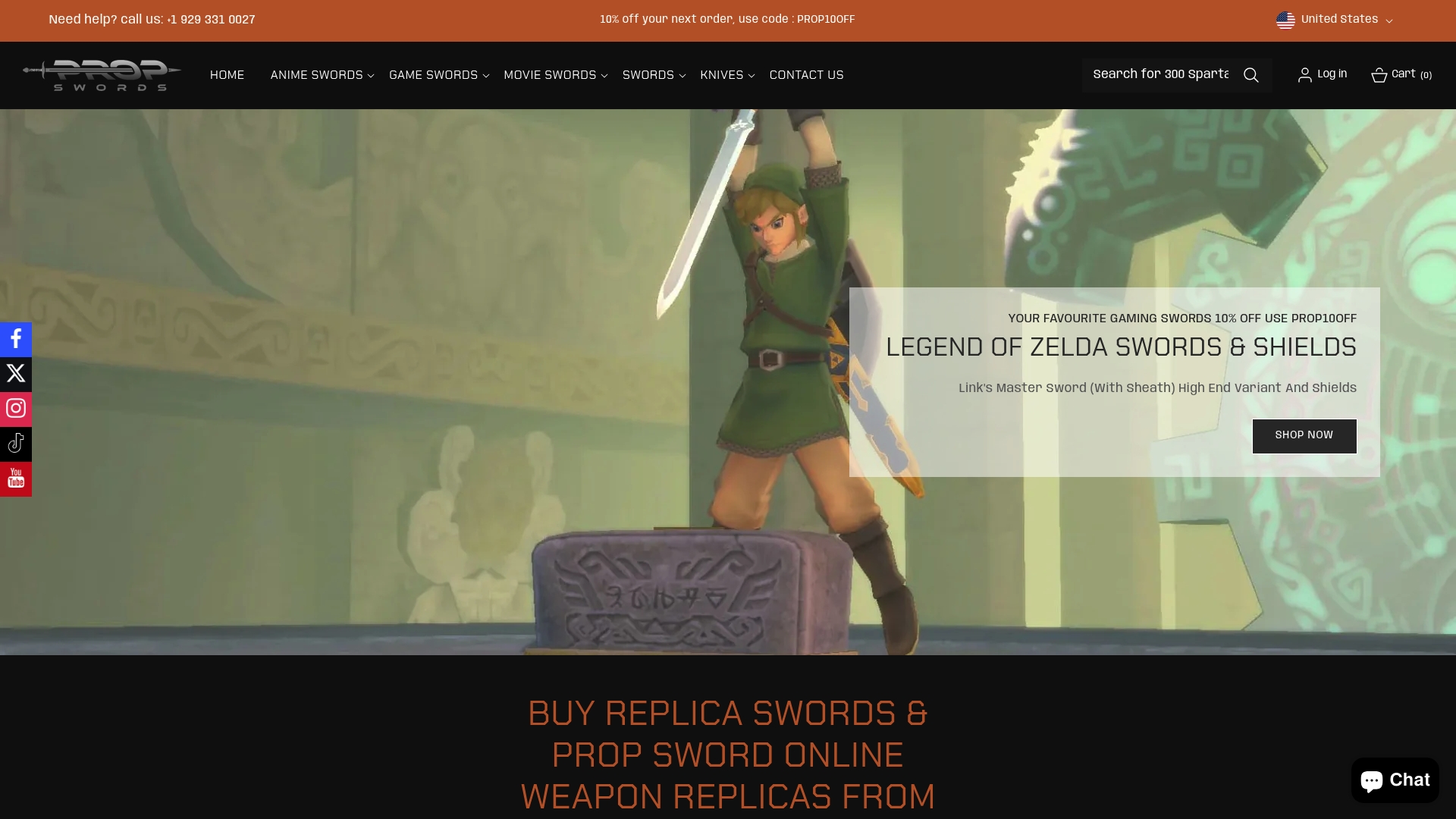
The top replica swords for 2026 collection at Propswords includes pieces selected for their design accuracy, material quality, and collector appeal. Each sword is suited for display, gifting, or adding a culturally significant piece to an existing collection. Propswords ships free within the USA, making it straightforward to add a well-crafted limited edition replica without the friction of import costs. Browse the full range and find the blade that fits your collection.
FAQ
Why do collectors prefer limited edition swords over standard ones?
Limited edition swords offer fixed supply, documented provenance, and unique physical features that standard production swords cannot provide. These factors combine to create exclusivity, emotional connection, and long-term value retention.
What makes a sword a collector’s item?
A sword becomes a collector’s item when it carries documented attribution, artisan craftsmanship, cultural significance, or rarity from a limited production run. Condition and provenance are the two factors that most directly determine collector-grade status.
Do limited edition swords increase in value over time?
Well-attributed limited edition swords in excellent condition can appreciate significantly. Masterworks by notable swordsmiths have sold for over $150,000, while unsigned equivalents may sell for under $10,000, illustrating how attribution and rarity compound into financial value.
How should collectors store limited edition swords?
Store blades horizontally in a climate-controlled space away from direct sunlight and moisture. Apply a protective oil or wax coating after every handling session and use cotton gloves to prevent acid transfer from skin.
Is passion or investment the better reason to buy collectible swords?
Passion produces better long-term collecting outcomes. Collectors driven by genuine interest research more carefully, maintain their pieces more consistently, and make buying decisions that hold up financially over time.
Recommended