TL;DR:
- Sword grades reflect a blade’s quality, craftsmanship, and historical significance, mainly in Japan’s NBTHK system. Fictional universes like One Piece use their own grading to indicate narrative importance rather than physical quality. Knowing the differences helps collectors assess value and avoid misleading marketing labels.
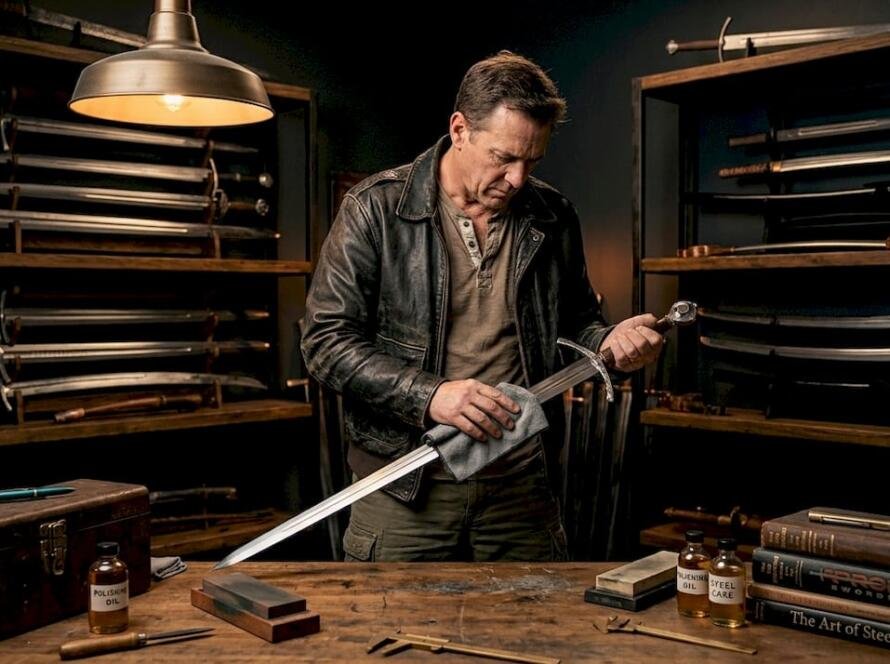
Sword grades are classifications that reflect a blade’s quality, craftsmanship, historical significance, and cultural value. Understanding sword grades is the single most useful skill a collector or enthusiast can develop before spending money on any blade. The grading system you encounter depends entirely on the sword’s origin: traditional Japanese swords follow the NBTHK certification hierarchy, while fictional universes like One Piece use their own tiered systems. Both matter, and knowing the difference between them protects your wallet and sharpens your eye.
What are the main grading systems used for swords?
Two distinct grading frameworks dominate the sword world: real-world certification and fictional classification. They share vocabulary but serve completely different purposes.
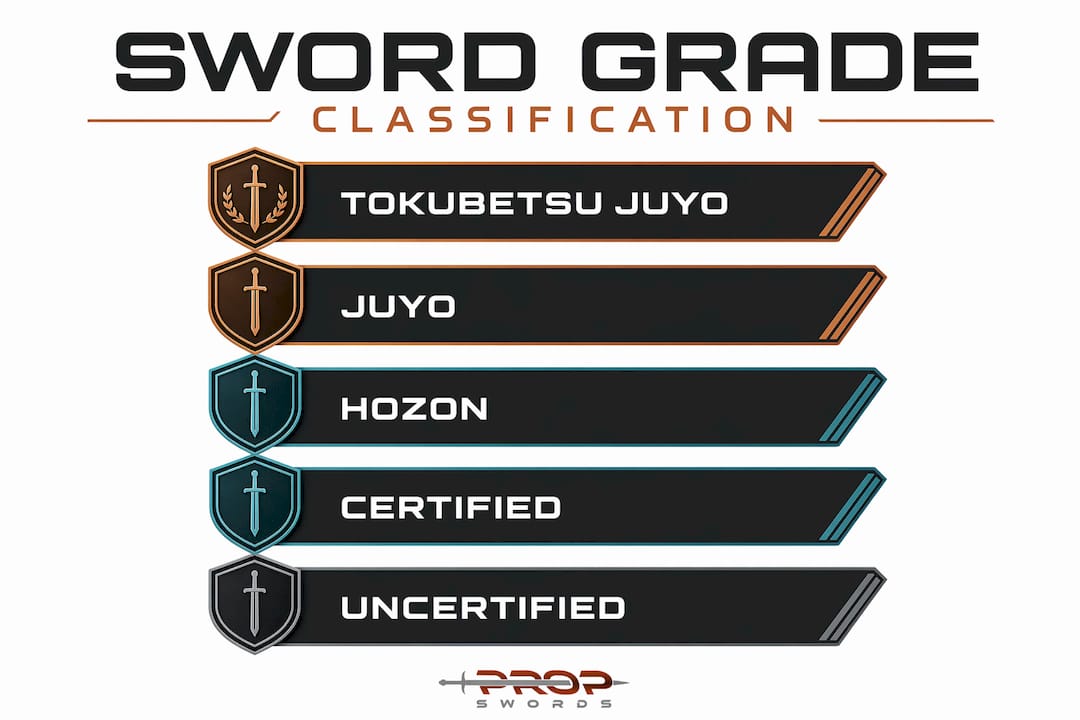
The NBTHK (Nihon Bijutsu Token Hozon Kyokai) is Japan’s premier sword preservation society, and its certification system is the gold standard for authentic Japanese blades. The NBTHK hierarchy runs four main grades from highest to lowest:
- Tokubetsu Juyo (gold paper): The rarest designation. Fewer than 700 blades carry this grade worldwide. These are museum-quality pieces of exceptional historical and artistic importance.
- Juyo (blue paper): About 7,000 blades hold this grade. Juyo represents above-average workmanship and genuine historical significance.
- Tokubetsu Hozon (green paper): Above-average quality, worthy of special preservation. These blades show strong craftsmanship and clear attribution.
- Hozon (yellow paper): The entry-level certification. Hozon means the blade is genuine and worthy of preservation, but it does not guarantee a named smith or pristine condition.
The fictional side of sword grading comes primarily from manga and anime. One Piece classifies its swords into four grade tiers: Supreme Grade (12 blades), Great Grade (21 blades), Skillful Grade (50 blades), and basic Grade blades with an unknown total count. These grades reflect smithing quality, sharpness, and fame within the story’s universe.
| System | Authority | Basis for Grade | Purpose |
|---|---|---|---|
| NBTHK Tokubetsu Juyo | Real-world certification body | Historical, artistic, and technical excellence | Legal preservation and valuation |
| NBTHK Hozon | Real-world certification body | Authenticity and basic preservation worthiness | Entry-level authentication |
| One Piece Supreme Grade | Fictional (manga/anime) | Narrative power and smithing legend | Storytelling and fandom |
| One Piece Skillful Grade | Fictional (manga/anime) | Mid-tier fame and blade quality in-universe | Character and plot context |
The critical difference: NBTHK grades carry legal and financial weight. Fictional grades reflect narrative importance and wielder caliber far more than any physical blade property.
How do sword grades affect value and collector interest?
Grade directly determines price range, market demand, and long-term investment potential. The sword value formula combines era, school, condition, and certification grade. No single factor alone sets the price.
Entry-level traditional Japanese swords priced between ¥100,000 and ¥500,000 typically carry Hozon certification or none. Mid-range swords in the ¥500,000 to ¥3,000,000 range generally hold Hozon to Tokubetsu Hozon grades. Juyo and Tokubetsu Juyo blades sit in the upper price bands, often commanding prices that rival fine art. That spread tells you something important: certification is not just a label. It is a pricing mechanism backed by expert consensus.
Swords from famous schools like Soshu-den command premium prices when certified, because provenance and school identity compound the grade’s value. A Hozon blade from an obscure smith and a Hozon blade from a recognized school are not the same investment, even though both carry the same paper color.
For collectors focused on replicas and fantasy swords, grade works differently. Replica sword grades are often marketing classifications rather than independent assessments. A replica marketed as “Supreme Grade inspired” tells you about the design reference, not the steel quality or construction method.
- Certified blades retain value over time when stored and maintained correctly.
- Hozon-certified swords are the most accessible entry point for serious collectors.
- Juyo and above are best treated as long-term investments, not casual purchases.
- Replica grades require separate evaluation of steel type, finish, and construction.
- Fictional grade labels on replicas signal fandom appeal, not functional performance.
Pro Tip: Before buying any certified Japanese sword, request the original certification papers and verify the grade color. A Hozon paper is yellow; a Tokubetsu Hozon paper is green. Sellers who cannot produce the original papers are a red flag.
What steel types and craftsmanship qualities match different sword grades?
Steel type is the foundation of any sword’s grade, whether real or replica. For traditional Japanese blades, the smith’s choice of tamahagane steel and the folding process determine the blade’s hada (grain pattern) and hamon (temper line). These visual and structural features are what NBTHK examiners assess when assigning a grade.
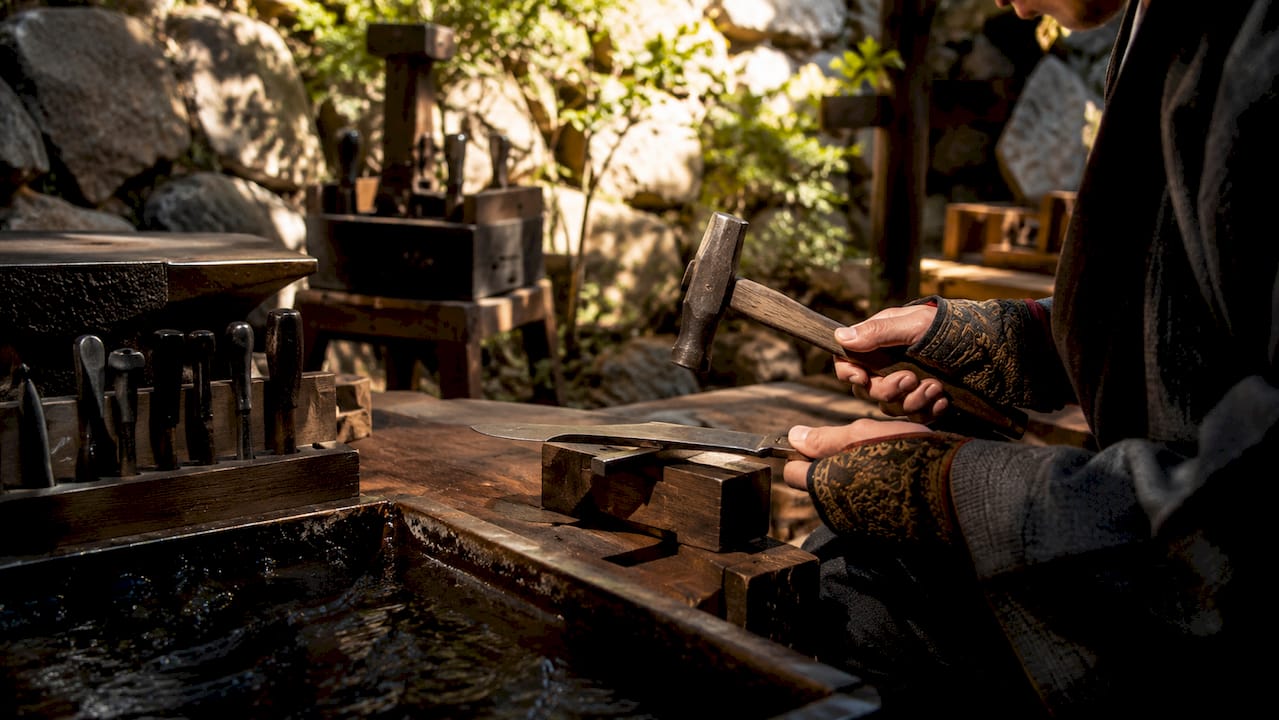
For replica and functional swords, carbon steel grades like 1045, 1060, and 1095 are the standard reference points. Higher carbon content produces sharper, stronger edges with better retention. 1095 steel delivers impressive sharpness and edge retention but requires consistent maintenance to prevent rust. 1045 steel is softer, cheaper, and more common in entry-level display pieces.
| Steel Type | Carbon Content | Typical Use | Grade Association |
|---|---|---|---|
| 1045 carbon steel | Low | Display and decorative swords | Entry-level / ungraded replicas |
| 1060 carbon steel | Medium | Functional practice swords | Mid-tier replicas and dojo blades |
| 1095 carbon steel | High | Cutting and performance swords | Higher-tier functional replicas |
| Tamahagane | Variable (traditional) | Authentic Japanese blades | NBTHK certified swords |
Craftsmanship indicators beyond steel include the quality of the polish, the sharpness of the hamon, the presence of a smith’s signature (mei), and the condition of the fittings (tsuba, handle, and scabbard). NBTHK examiners weigh all of these factors together. A blade with a beautiful hamon but poor polish will not reach Juyo grade regardless of its age.
Display and fantasy swords sit outside this framework entirely. A quality replica sword built from 1060 or 1095 steel with careful finishing can be a genuinely impressive piece. But it will never carry NBTHK certification because it is not a traditionally forged Japanese blade. Knowing that distinction prevents disappointment and misplaced spending.
Pro Tip: When evaluating any sword’s steel, ask for the specific carbon steel designation in writing. Vague terms like “high carbon” or “battle-ready steel” are marketing language, not specifications. A reputable seller names the exact steel grade.
How to choose a sword grade for collecting, practice, or display
Applying sword grade knowledge to a real purchase decision requires matching the grade to your actual goal. The right grade for a martial arts practitioner is not the same as the right grade for a display collector or an investor.
-
Define your purpose first. Iaido and tameshigiri practitioners need functional blades with verified steel grades (1060 or 1095 minimum) and proper balance. Display collectors prioritize visual quality and provenance. Investors focus on NBTHK certification level and school attribution.
-
Verify certification papers for authentic Japanese swords. The torokusho registration certificate is legally required in Japan. Its absence drastically reduces both the legal ownership status and the resale value of any blade. Always confirm the torokusho exists before completing a purchase.
-
Match budget to grade expectations. Entry-level certified swords (Hozon) start in the ¥100,000 range. Tokubetsu Hozon and above require significantly higher budgets. Buying below market price for a claimed high grade is almost always a warning sign.
-
Evaluate replicas by steel and construction, not marketing grade. Check the sword materials guide for what to look for in carbon steel replicas. A well-built 1095 steel replica from a reputable seller outperforms a poorly made blade regardless of what grade label the seller applies.
-
Research the seller’s track record. Trusted dealers in authentic Japanese swords will have verifiable sales histories and relationships with NBTHK-certified appraisers. For replicas, look for sellers who specify steel type, blade length, and construction method in their product listings. The anime sword checklist at Propswords covers the key questions to ask before any purchase.
-
Distinguish appreciation from investment. Buyers focused on value retention should prioritize higher-grade certifications. Collectors buying for personal enjoyment have more flexibility, but they still benefit from understanding what their grade label actually means.
Key takeaways
Sword grade classification is the foundation of smart collecting: real certifications like NBTHK grades determine authenticity and value, while fictional and marketing grades signal fandom appeal and design inspiration.
| Point | Details |
|---|---|
| NBTHK grades carry real weight | Four certification levels from Hozon to Tokubetsu Juyo determine authenticity, quality, and price. |
| Fictional grades serve storytelling | One Piece sword tiers reflect narrative power, not physical blade properties or material quality. |
| Steel type defines replica quality | Carbon steel grades 1045, 1060, and 1095 are the practical standard for replica and functional swords. |
| Torokusho is non-negotiable | Missing registration papers reduce a Japanese sword’s legal status and resale value significantly. |
| Purpose drives grade selection | Match the grade to your goal: practice, display, or investment each require a different approach. |
What I’ve learned after years of collecting swords
Most newcomers make the same mistake: they treat grade as a single number on a scale from bad to good. The reality is more layered than that. I’ve handled Hozon-certified blades that were more visually striking than some Tokubetsu Hozon pieces, because the grade reflects a committee’s assessment of historical significance and workmanship, not just beauty.
The fictional grading systems from One Piece and similar universes are genuinely useful for fans, but they create confusion when collectors start applying that vocabulary to real purchases. I’ve seen buyers pay premium prices for replicas marketed with “Supreme Grade” language, expecting something close to a certified blade. They were disappointed every time.
My honest advice: learn the NBTHK system first, even if you never plan to buy an authentic Japanese sword. That framework teaches you what quality assessment actually involves. Then, when you look at a replica or a fantasy collectible, you have a real reference point. You stop asking “what grade is this?” and start asking “what steel is this, who made it, and what does the finish tell me?” Those are the questions that lead to good purchases.
Beginners should also resist the urge to buy at the top of their budget immediately. Start with a well-documented mid-tier piece, learn its characteristics, and build from there. The collectors I respect most are not the ones with the most expensive swords. They are the ones who can explain exactly why each piece in their collection is worth what they paid.
— Muhammad
Replica swords worth collecting in 2026
Propswords carries a curated selection of replica swords built for collectors who care about what they are buying. The best replica swords for 2026 include pieces built from specified carbon steel grades with detailed finishing, covering anime, historical, and fantasy categories. For fans of One Piece and similar series, the Roronoa Zoro carbon steel sword is a standout example of a replica that names its steel and delivers on construction quality. Propswords also offers fantasy sword collectibles for enthusiasts who want display pieces with genuine visual impact. Free shipping within the USA applies across the catalog.
FAQ
What does NBTHK certification mean for a sword?
NBTHK certification confirms a blade is a genuine Japanese sword and assigns it a quality grade from Hozon (entry-level) to Tokubetsu Juyo (the highest). Higher grades indicate greater historical significance and craftsmanship, which directly affects market value.
How are One Piece sword grades different from real sword grades?
One Piece sword grades (Supreme, Great, Skillful, and basic) are fictional classifications based on a blade’s fame and power within the story. They do not correspond to any real-world material standard or independent certification process.
What steel grade should I look for in a functional replica sword?
1060 or 1095 carbon steel is the standard for functional replica swords. 1095 steel offers superior edge retention and sharpness but requires regular maintenance to prevent corrosion.
Does a higher sword grade always mean a higher price?
For authentic Japanese swords, yes: NBTHK grade is one of the four key factors in the value formula alongside era, school, and condition. For replicas, grade labels are often marketing terms and do not reliably predict price or quality.
What is a torokusho and why does it matter?
A torokusho is the Japanese government registration certificate legally required for owning a traditional Japanese sword in Japan. Without it, a sword’s legal status and resale value drop significantly, making it a critical document to verify before any purchase.
Recommended