TL;DR:
- Fictional swords in pop culture embody heroism, symbolism, and design that resonate deeply with fans. Iconic blades like Samurai Jack’s katana and Excalibur communicate character traits and cultural themes through their visual clarity and narrative significance. Collectible and cosplay swords foster lasting emotional connections, reflecting personal identity and story appreciation beyond mere appearance.
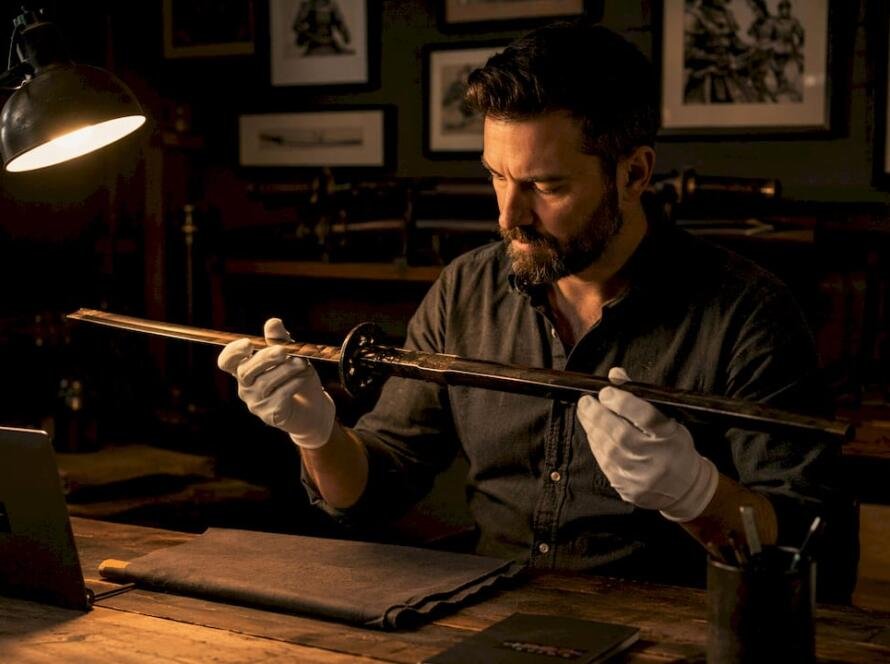
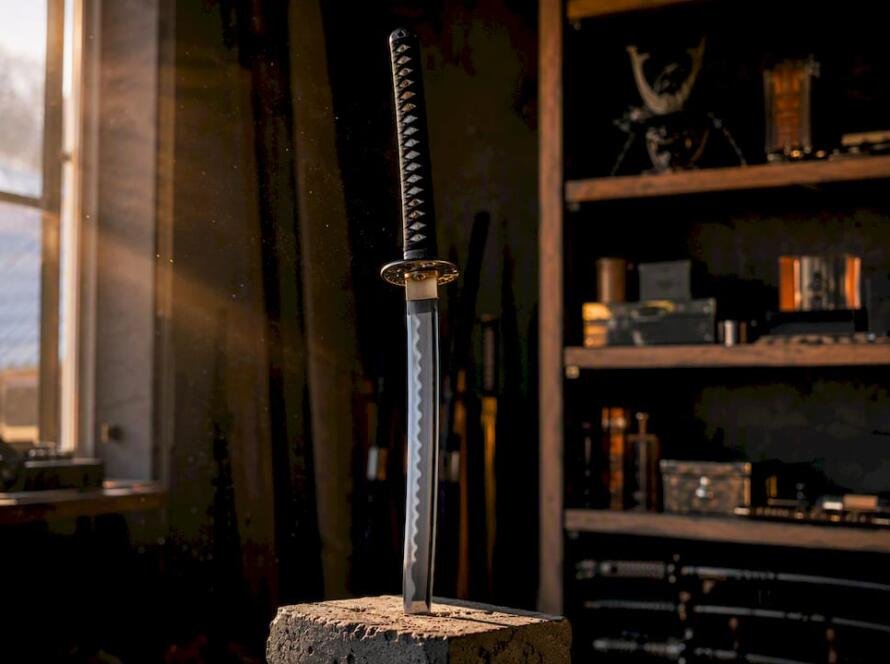
Inspirational swords from pop culture are legendary weapons that transcend fiction to become symbols of heroism, identity, and cultural legacy. From Samurai Jack’s minimalist katana to Berserk’s colossal Dragonslayer, these blades captivate fans through a rare combination of striking design, narrative weight, and emotional resonance. The Buster Sword from Final Fantasy VII and Andúril from The Lord of the Rings prove that a well-crafted fictional sword can carry as much meaning as any real historical weapon. Collectors, cosplayers, and enthusiasts recognize these blades not just as props, but as art objects that carry entire stories within their silhouettes.
What makes a sword inspirational in pop culture?
The most iconic swords in fiction share three qualities: a distinctive visual identity, a narrative purpose, and a symbolic meaning that extends beyond the story itself. These are not just weapons. They are character extensions, cultural shorthand, and design achievements.
Design plays the first and most immediate role. Minimalism enhances visual impact against complex backgrounds far more effectively than ornate detail. Samurai Jack’s katana proves this point. Its single bright silver stripe cuts through the show’s richly painted environments with zero visual noise. That restraint is a deliberate artistic choice, not a limitation.
Symbolism is the second pillar. The best fictional swords carry a burden. Andúril represents lineage and destiny. The Dragonslayer represents trauma and survival. Excalibur represents the divine right to lead. Each blade tells you something about its wielder before a single line of dialogue is spoken.
- Visual clarity: The sword must read instantly on screen or on the page, even in motion.
- Narrative weight: The sword must mean something to the story, not just to the fight.
- Cultural resonance: The sword must connect to broader human themes: honor, sacrifice, power, legacy.
- Historical grounding: Many iconic fictional swords draw from real traditions, including Japanese katana craftsmanship, European longsword design, and Celtic mythology.
Pro Tip: When evaluating a replica sword for display or cosplay, ask whether the design reads clearly from ten feet away. If it does, the original designers did their job right, and the replica will too.
Iconic swords blend historical art styles with animation and cinematic technique, which is why they feel both familiar and fresh. That blend is what gives them staying power across decades of fandom.
1. Samurai Jack’s katana
Samurai Jack’s katana is the gold standard of minimalist sword design in animation. Its single silver stripe maintained visual dominance across the show’s full five-season, thirteen-year run. The blade represents purity, ancestral duty, and the unbreakable will to return home. No other animated sword has achieved that level of iconic clarity with so little ornamentation.
2. The Dragonslayer from Berserk
The Dragonslayer is not a practical weapon. It was never meant to be. Kentaro Miura designed it to express the wielder’s emotions and trauma rather than functional combat logic. Its massive, irregular form reflects Guts’ psychological burden and his refusal to surrender to fate. No sword in manga history communicates character suffering as directly as this one.
“The Dragonslayer’s impossible size is the point. Miura wanted a sword that looked like it hurt to carry, because for Guts, everything does.”
3. The Buster Sword from Final Fantasy VII
The Buster Sword is one of gaming’s most recognized blades. Its size and difficulty to wield symbolize Cloud Strife’s unique role and personal journey through grief, identity, and inherited responsibility. The sword passed from Angeal to Zack to Cloud, making it a physical record of loss. That narrative layering is why it resonates far beyond its original game.
4. Excalibur
Excalibur is the definitive symbol of power and legitimacy in Western pop culture. It represents leadership, courage, and divine right across centuries of Arthurian literature, film, and television adaptations. From John Boorman’s 1981 film to Disney’s The Sword in the Stone, each version reinforces the same core idea: the sword chooses the worthy. That concept has never lost its grip on audiences.
5. Andúril from The Lord of the Rings
Andúril carries one of the most emotionally loaded backstories among famous swords in movies. Reforged from the shards of Narsil, it signals Aragorn’s acceptance of his destiny and the return of hope to Middle-earth. Its glowing Elvish inscriptions activate in the presence of rising evil, making the blade a living symbol rather than a static prop. Peter Jackson’s production team understood that a sword with a history hits harder than a sword with a shine.
6. Michonne’s katana from The Walking Dead
Michonne’s katana stands apart from every other weapon in The Walking Dead because it is not just a survival tool. It symbolizes precision, control, and mythic strength in a world defined by chaos. The choice of a katana over a firearm or blunt weapon communicates everything about Michonne’s character: disciplined, deliberate, and formidable. The blade became one of the most recognized symbolic weapons in pop culture television.
7. The Sword of Gryffindor from Harry Potter
The Sword of Gryffindor appears only when a true Gryffindor needs it most. That rule, established in Harry Potter and the Chamber of Secrets, makes the sword a test of character rather than a simple weapon. Its goblin-forged silver blade absorbs only what strengthens it, a detail that rewards attentive readers and viewers. The sword’s design is deliberately classical, evoking medieval European craftsmanship to anchor it in a sense of ancient legitimacy.
8. Longclaw from Game of Thrones
Longclaw is a Valyrian steel bastard sword with a direwolf pommel, and every design element serves a narrative purpose. The blade’s legendary material makes it one of the few weapons capable of killing White Walkers, which transforms it from a family heirloom into a weapon of existential importance. Jon Snow’s relationship with Longclaw mirrors his identity struggle throughout the series. The sword is a constant when everything else shifts.
How pop culture swords inspire fans beyond the screen
The appeal of these blades does not end when the credits roll. Story-driven replicas inspire stronger fandom engagement and cultural appreciation than purely decorative pieces. Fans connect with swords that carry narrative meaning, which is why collectible swords hold cultural value far beyond their physical form.
The cosplay community has made iconic swords central to character representation. Carrying a recognizable blade at a convention communicates an entire character arc without a single word. The Buster Sword at a gaming expo, Andúril at a fantasy event, or Michonne’s katana at a horror convention each function as instant identity signals.
- Display collections: Fans mount replicas as wall art, treating them as visual storytelling objects in their homes.
- Cosplay accuracy: Blade shape, color, and proportion must match the source material to read correctly in photos and at events.
- Gift culture: Iconic sword replicas rank among the most meaningful gifts for pop culture fans, particularly when tied to a shared fandom experience.
- Fan events: Sword replicas appear at screenings, conventions, and fan meetups as focal points for community connection.
| Sword | Source | Primary Symbol |
|---|---|---|
| Samurai Jack’s katana | Samurai Jack (TV) | Purity and ancestral duty |
| Dragonslayer | Berserk (manga/anime) | Trauma and survival |
| Buster Sword | Final Fantasy VII (game) | Inherited grief and identity |
| Excalibur | Arthurian legend/film | Legitimacy and divine right |
| Andúril | The Lord of the Rings (film) | Destiny and restored hope |
| Michonne’s katana | The Walking Dead (TV) | Precision and mythic strength |
Animated movie merchandise built around iconic weapons has grown into a major category within the broader pop culture collectibles market, reflecting how deeply fans want to own a piece of the stories they love.
What to look for when buying a replica sword
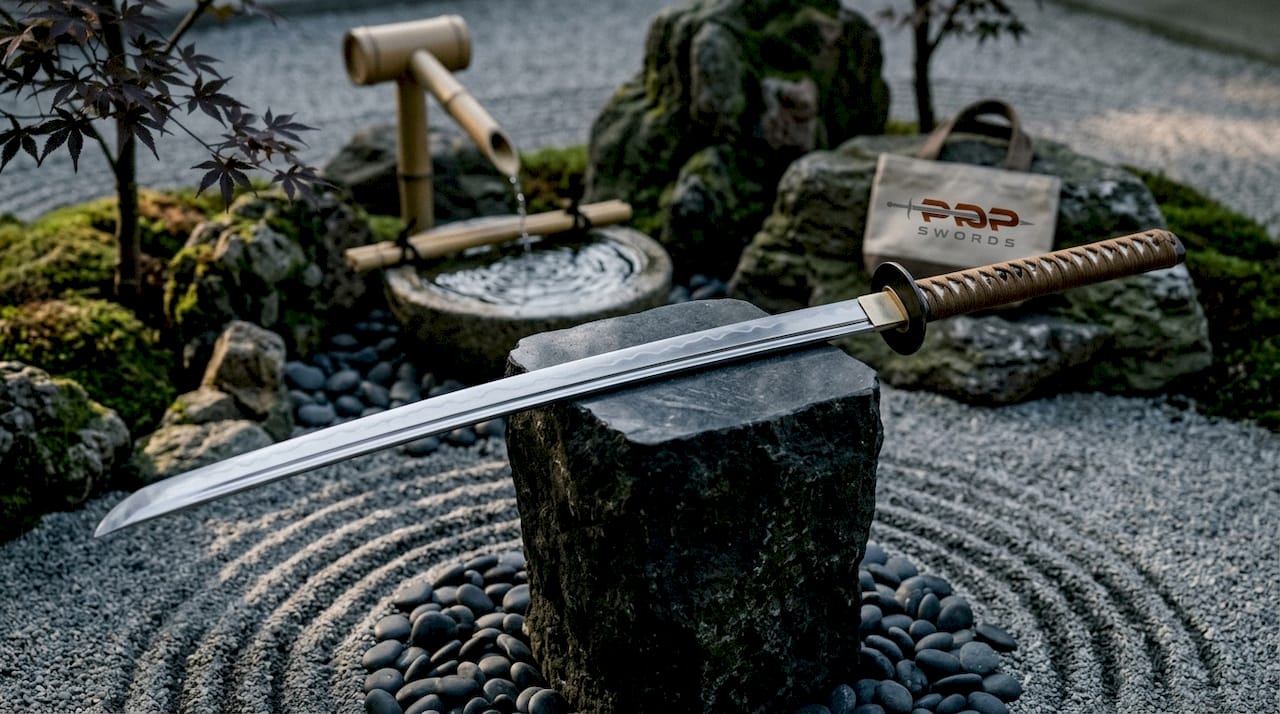
A great replica sword does more than look the part. Collectors prefer swords that balance authenticity, storytelling, and craftsmanship, which means the best replicas reward close inspection as much as they reward a glance from across the room.
Material matters most for long-term display. Stainless steel holds its finish and resists corrosion far better than zinc alloy or resin. Carbon steel offers a more authentic weight and feel for cosplay use, though it requires more maintenance. The handle material, whether wood, wrapped cord, or molded resin, affects both appearance and grip comfort.
Pro Tip: Before buying, compare the replica’s blade length and handle proportions against official reference images from the source material. Even small proportion errors break the illusion for experienced collectors.
| Feature | Display-focused replica | Cosplay-focused replica |
|---|---|---|
| Material | Stainless steel or resin | Carbon steel or durable alloy |
| Weight | Lighter for wall mounting | Balanced for handling |
| Finish | High-polish or screen-accurate | Durable, scratch-resistant |
| Price range | Budget to premium | Mid-range to premium |
| Maintenance | Minimal | Regular oiling and care |
Design accuracy separates a quality replica from a generic prop. The Buster Sword’s proportions, the Dragonslayer’s irregular edge, and Andúril’s inscriptions are all details that fans notice immediately. Movie replica swords with high display appeal consistently outperform generic fantasy blades in collector satisfaction. Knowing the sword’s story before you buy makes the purchase more meaningful and helps you evaluate whether the replica honors the source.
Key Takeaways
The most enduring inspirational swords from pop culture succeed because they combine clear visual design with deep narrative symbolism, making them meaningful to fans long after the story ends.
| Point | Details |
|---|---|
| Design clarity drives iconic status | Minimalist designs like Samurai Jack’s katana outlast ornate ones in fan memory. |
| Symbolism defines the blade | The best swords tell you about their wielder before dialogue begins. |
| Story-driven replicas engage fans more | Collectors value narrative connection as much as craftsmanship in replica swords. |
| Proportion accuracy matters | Faithful replicas match source material proportions to satisfy experienced collectors. |
| Swords function as identity signals | Fans use iconic blades in cosplay and display to communicate character and fandom. |
Why these swords still cut deep
I have spent years thinking about why certain fictional swords stick with people for decades while others disappear the moment the credits roll. The answer is almost never the sword itself. It is the weight the sword carries.
The Dragonslayer is objectively absurd as a weapon. No human could lift it, let alone swing it. But Miura was not designing a weapon. He was designing a feeling. That distinction is what separates a memorable blade from a forgettable one. The best sword designers in animation, film, and games understand that the audience does not need to believe the sword is real. They need to believe what the sword means.
What surprises me most is how often minimalism wins. Samurai Jack’s katana is, at its core, a silver rectangle. The Sword of Gryffindor is a classical European blade with no unusual features. Yet both are instantly recognizable worldwide. Complexity does not create memorability. Clarity does.
The emotional connection fans develop with these swords is genuine and worth taking seriously. When someone displays a Buster Sword replica in their home or carries Andúril to a convention, they are not just showing off a prop. They are declaring something about who they are and what stories shaped them. That is a remarkable thing for a fictional object to accomplish. It is also why the replica sword market continues to grow. People want to hold the thing that moved them.
— Muhammad
Propswords has the replica swords fans actually want
Propswords carries a curated selection of replica swords for collectors and cosplayers, built around the iconic blades that matter most to pop culture fans. Whether you are drawn to anime, film, or fantasy gaming, the catalog covers the swords that define those worlds.
The Final Fantasy lineup includes detailed replicas like the Squall Gunblade and the Blazefire Saber, both built for display accuracy and cosplay durability. Propswords ships free within the USA and offers a range of price points to fit both first-time buyers and serious collectors. If you know which sword moved you, Propswords likely has it.
FAQ
What is the most iconic sword in pop culture?
Excalibur holds the broadest cultural recognition across film, literature, and television, representing power, legitimacy, and destiny in virtually every Western culture. Samurai Jack’s katana and the Buster Sword from Final Fantasy VII rank among the most recognized in animation and gaming respectively.
Why do fictional swords become so culturally significant?
Fictional swords gain cultural significance when they function as extensions of a character’s identity and carry clear symbolic meaning, such as Andúril representing restored hope or the Dragonslayer representing emotional burden. That narrative depth transforms a prop into a lasting cultural symbol.
What should I look for in a pop culture replica sword?
The most important factors are material quality, proportion accuracy relative to the source material, and finish durability. Story-driven replicas that faithfully match the original design deliver stronger collector satisfaction than generic fantasy blades.
Are replica swords suitable for cosplay?
Carbon steel and durable alloy replicas handle cosplay use well, provided they meet event safety guidelines. Display-focused replicas in stainless steel or resin work better for wall mounting and photography than for active wear.
What makes the Dragonslayer from Berserk so memorable?
Kentaro Miura designed the Dragonslayer to be emotionally expressive rather than functional, using its impossible size to communicate Guts’ psychological burden. That deliberate rejection of realism is exactly what makes it one of the most discussed swords in manga history.
Recommended