TL;DR:
- In 2026, collectible sword trends combine traditional craftsmanship with digital innovation and pop culture influences. Collectors benefit from understanding media-driven demand cycles, technological advancements, and style bifurcations. Digital tools and social media expand access, but tactile evaluation remains essential for high-value pieces.
Sword trends in 2026 are defined by the fusion of traditional craftsmanship, digital innovation, and pop culture influences reshaping the collectible sword market. Collectors who understand this three-part shift will make smarter acquisitions and spot undervalued pieces before prices spike. The forces driving change include fandoms like Touken Ranbu, technologies like RFID traceability and 3D modeling, and stylistic movements ranging from neo-fantasy energy blades to deeply personalized traditional designs. Whether you collect Japanese nihonto, fantasy replicas, or anime-inspired pieces, 2026 is a pivotal year to pay close attention.
What sword trends in 2026 are shaping collector culture?
The dominant trend in 2026 is convergence. Traditional swordmaking values, such as hand-forged blades and historical accuracy, are merging with digital personalization tools and pop culture demand cycles. This is not a passing phase. The collectible sword market is responding to a new generation of collectors who entered the hobby through games, anime, and social media rather than martial arts or antique dealing.
The result is a market with two distinct but overlapping buyer profiles. The first is the traditional collector who prioritizes provenance, historical period, and craftsmanship. The second is the pop culture enthusiast who values visual impact, personalization, and connection to a specific fictional universe. Both profiles are growing, and the smartest vendors and collectors are learning to serve both.
How does pop culture drive sword collecting demographics?
Pop culture is the single most powerful recruitment engine for new sword collectors in 2026. The browser game Touken Ranbu drives demographics in a way no marketing campaign could replicate. Players interact with anthropomorphized versions of real historical swords, then seek out the actual blades in museums and auction catalogs. The demographic shift is striking: the primary new entrant group is women aged roughly 10–30, a segment that was historically underrepresented in sword collecting.
Social media accelerates this pipeline. Instagram and YouTube have reduced market information asymmetry by giving new collectors access to detailed blade visuals, expert commentary, and appreciation videos in multiple languages. A collector in Ohio can now study the hamon pattern of a Kamakura-period tachi through a high-resolution video posted by a Tokyo appraiser. That access was simply not available a decade ago.
Period dramas and anime series amplify katana demand in measurable ways. When a named blade appears in a popular series, exhibition attendance and online search volume for that sword spike within weeks. Collectors who track these media cycles gain a real timing advantage.
- Touken Ranbu converts game fans into museum visitors and then into active buyers of replicas and authentic pieces.
- Instagram and YouTube provide free visual education that previously required expensive books or dealer relationships.
- Anime and period dramas create demand spikes around specific blade types, particularly katana and tanto.
- Social hashtags around named swords build communities that share authentication tips, pricing data, and exhibition schedules.
Pro Tip: Follow Japanese museum social accounts and Touken Ranbu fan communities. Exhibition announcements tied to named blades often precede demand spikes by four to six weeks, giving you a window to buy before prices move.
For a deeper look at how fantasy sword culture connects fandom to physical collecting, the overlap between game aesthetics and real-world acquisition behavior is well documented.
How is technology changing sword design and personalization?
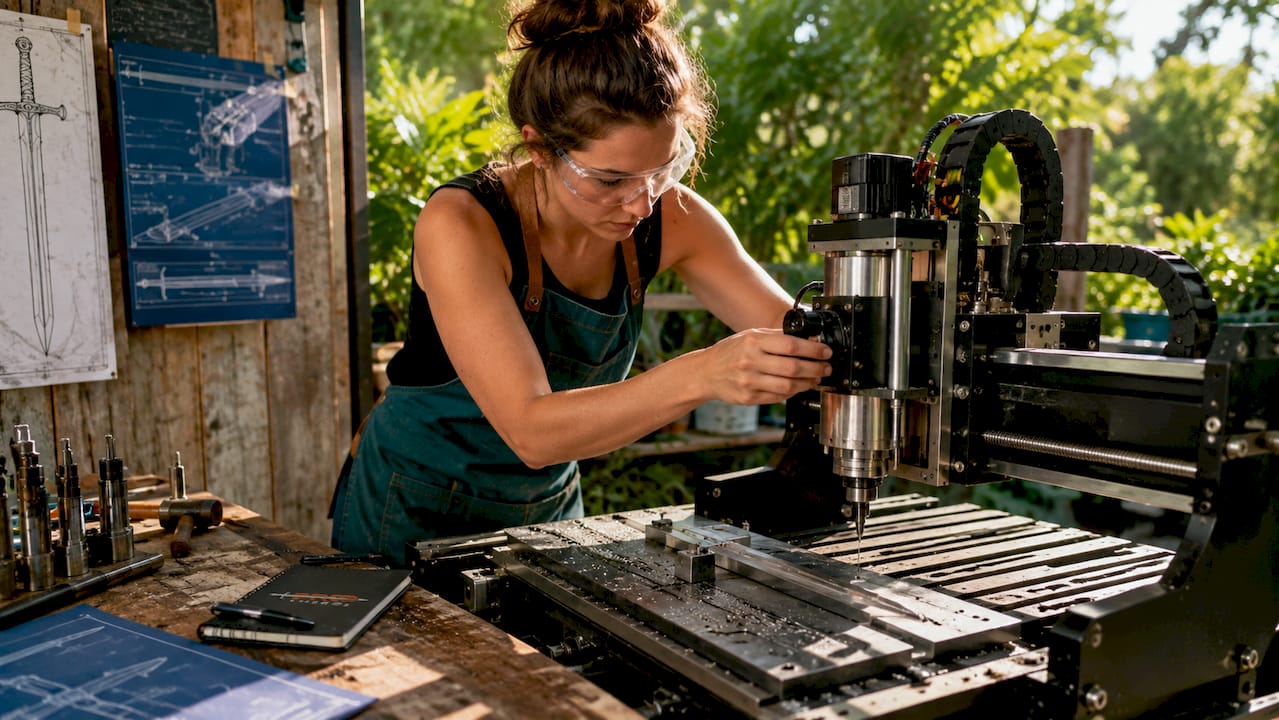
Personalization is the fastest-growing segment of the collectible sword market. Personalized craft short swords accounted for 18% of the global market in 2024 and are projected to reach 25% by 2030. That growth is driven by 3D modeling software and laser engraving technology that let buyers specify blade geometry, handle wrapping patterns, and decorative motifs with precision that hand-carving alone cannot match.
The technology stack behind a modern custom sword is more complex than most collectors realize. A buyer might start with a digital 3D model, approve the design through a web viewer, then receive a blade where every decorative element was laser-mapped before a craftsman finished the piece by hand. The result combines machine precision with artisan finishing.
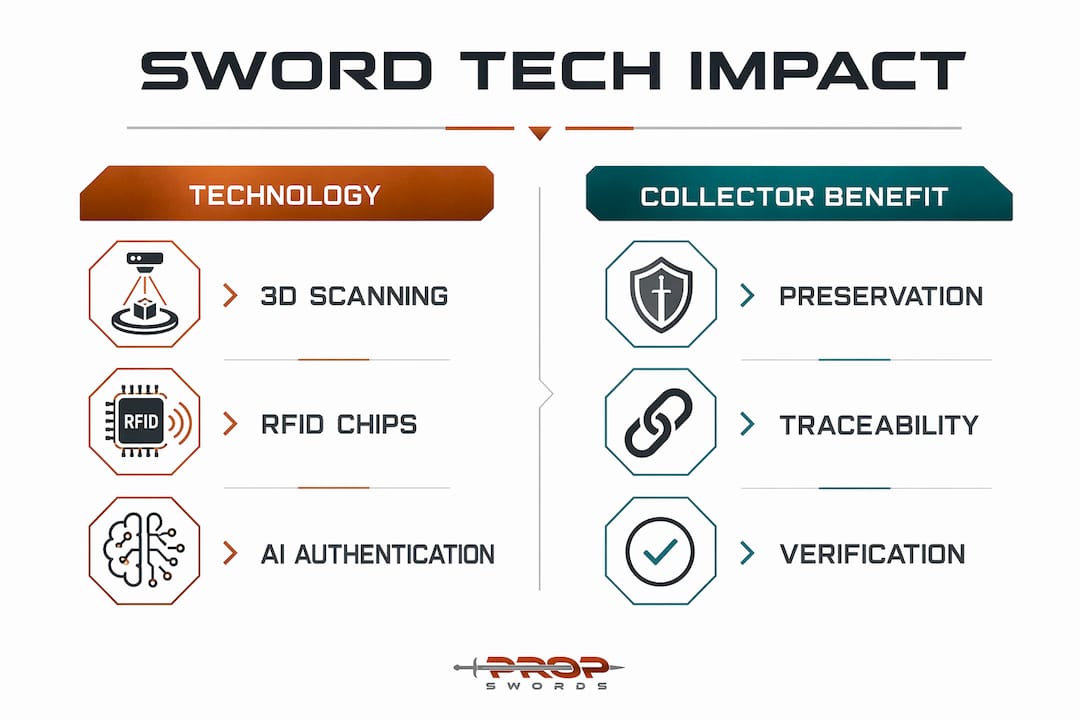
RFID traceability is the other major tech shift. Smart traceability features embedded in high-end pieces allow buyers to verify authenticity with a smartphone scan. This matters enormously in a market where forgeries and misattributed pieces are a persistent problem.
- 3D modeling lets buyers visualize and approve blade geometry before production begins.
- Laser engraving delivers consistent decorative patterns across the blade and fittings.
- RFID chips embedded in handles or scabbards provide a permanent, scannable provenance record.
- Digital design archives allow makers to reproduce a specific custom configuration years later.
Pro Tip: When buying a high-end custom piece, ask the maker whether RFID traceability is included. A chip-verified provenance record adds resale value and protects you if the piece is ever disputed.
What is the role of digitization and AI in sword appreciation?
Museums are leading the digital transformation of sword culture. The Tokyo National Museum and Nara National Museum have both launched 3D digitization projects that give the public online access to National Treasure swords through high-resolution 3D viewers. A collector anywhere in the world can now rotate a Heian-period tachi on screen and study its curvature, surface texture, and hamon in detail that rivals a physical viewing.
High-precision 3D scanning serves preservation and research purposes beyond public access. Conservators use scan data to document blade condition over time and detect micro-fractures invisible to the naked eye. Researchers compare geometric data across periods to identify regional schools and individual smiths.
AI authentication is the most discussed and most misunderstood development in the field. Current AI research focuses on blade pattern recognition and dating based on photographs. The technology is at proof-of-concept stage. It shows genuine promise for narrowing attribution ranges, but it does not replace expert physical appraisal for high-value pieces.
| Technology | Current application | Collector benefit |
|---|---|---|
| 3D museum viewers | Tokyo and Nara National Museums | Study National Treasure blades remotely |
| High-precision 3D scanning | Preservation and research | Detailed condition documentation |
| AI pattern recognition | Research-level authentication | Narrows attribution, not a final verdict |
| RFID traceability | High-end custom and collector pieces | Scannable provenance verification |
What are the pricing dynamics for collectible swords in 2026?
The Japanese sword market is experiencing a sustained price surge. Top-designation swords are selling above ¥100 million, reaching two to three times their 2010s price levels during the 2023–2026 period. The ultra-weak yen, trading in the 140–160 yen per USD range, means international buyers are effectively purchasing at a currency discount even as yen-denominated prices rise.
Multiple sales channels create significant price variation for the same class of blade. NBTHK auctions, dealer showrooms, traveling exhibitions, and international auction houses each attract different buyer pools and produce different price outcomes. A blade that sells quietly through a dealer network might fetch a premium at an international auction where competitive bidding drives the final price up.
The practical implication for collectors is clear: triangulate market data across all four channels before committing to a purchase. A price that looks reasonable against one reference point may be inflated against another.
Hype cycles create the most dangerous buying conditions. When a specific blade type gains visibility through a game event or museum exhibition, demand spikes temporarily and prices follow. Collectors who buy at the peak of a hype cycle often pay a premium that takes years to recover. Patience and cross-channel price research are the most reliable defenses.
Pro Tip: Before any significant purchase, check recent NBTHK auction results, at least two dealer listings, and any available international auction records for comparable pieces. Three data points are the minimum for confident pricing.
What are the emerging sword styles for 2026?
The most visually striking 2026 sword styles come from neo-fantasy and sci-fi aesthetics. Futuristic energy sword designs featuring emissive blades in glowing cyan, electric blue, and plasma white are dominant in digital asset markets for AR, VR, and game rendering. These designs prioritize visual impact over historical function and are optimized for real-time 3D rendering and cinematic use.
Cyberpunk detailing is the secondary aesthetic trend. Collectors and cosplayers are requesting blades with circuit-pattern engravings, matte black finishes, and neon accent inlays. These pieces exist at the intersection of traditional sword form and science fiction visual language. They are display pieces and cosplay props first, historical references second.
Traditional styles are not retreating. They are evolving. Personalized traditional designs, where a buyer specifies a historical period aesthetic but adds custom mon crests, name engravings, or regional motifs, represent the fastest-growing segment within the traditional category. The 2026 buyer’s guide for collectible swords reflects this split clearly.
- Neo-fantasy energy blades dominate digital and cosplay markets with glowing, emissive aesthetics.
- Cyberpunk swords blend traditional blade forms with circuit engravings and neon accents.
- Personalized traditional designs add custom crests and engravings to historically accurate forms.
- Anime-inspired katana replicas remain the highest-volume category for display and gift buyers.
Key takeaways
Sword trends in 2026 reward collectors who combine cultural awareness, technology literacy, and disciplined price research across multiple market channels.
| Point | Details |
|---|---|
| Pop culture drives new collectors | Touken Ranbu and anime series recruit women aged 10–30 into active sword collecting. |
| Personalization is growing fast | Custom short swords held 18% market share in 2024 and are projected to reach 25% by 2030. |
| Digital tools expand access | Tokyo and Nara museums offer 3D viewers for National Treasure swords, reducing barriers for new collectors. |
| Currency creates opportunity | The weak yen makes Japanese swords more affordable internationally despite rising yen-denominated prices. |
| Style is splitting into two lanes | Neo-fantasy and cyberpunk designs dominate display markets while personalized traditional pieces lead the collector segment. |
My take on navigating 2026 sword trends
The most common mistake I see collectors make is treating hype as signal. When a blade type trends on social media or appears in a game event, demand spikes fast and prices follow. Buying at that moment almost always means overpaying. The smarter move is to track the media cycle before it peaks, identify the blade types likely to gain visibility, and position yourself two to four weeks ahead of the spike.
Physical inspection still matters more than any digital tool. AI authentication and 3D viewers are genuinely useful for education and preliminary research. But for any piece above a few hundred dollars, I would not skip an in-person evaluation or a certified appraisal. AI-based authentication should be treated as a first filter, not a final verdict. The tactile experience of holding a blade, checking its balance, and examining the hamon under natural light tells you things no photograph captures.
The collectors who will do best in 2026 are the ones who embrace both the traditional and the new. That means studying historical craftsmanship seriously while also paying attention to what fandoms, games, and digital aesthetics are doing to demand. The two worlds are converging, and the collectors who understand both will find the best opportunities.
— Muhammad
Propswords has the 2026 swords worth owning
The styles and trends covered here are not abstract. They show up directly in what collectors and cosplayers are buying right now. Propswords carries a curated selection of replica swords built around exactly these 2026 trends, from anime-inspired katana to neo-fantasy display pieces.
The top replica swords for 2026 at Propswords cover the full range of popular styles, with free shipping within the USA. If you are preparing for cosplay, Propswords also offers a dedicated guide to safe and realistic replicas that covers everything from material selection to display mounting. Every piece is chosen for visual accuracy and collector appeal.
FAQ
What drives sword trends in 2026?
Pop culture fandoms, particularly Touken Ranbu, and social media platforms like Instagram and YouTube are the primary drivers. They recruit new collectors and create demand spikes around specific blade types.
Are personalized swords worth buying in 2026?
Personalized craft swords are the fastest-growing market segment, projected to reach 25% of the global market by 2030. RFID-verified pieces carry stronger resale value than unverified custom work.
How do I avoid overpaying for a collectible sword?
Cross-reference prices across NBTHK auctions, dealer showrooms, and international auction records before buying. Avoid purchasing at the peak of a media-driven demand spike.
What are the most popular sword styles in 2026?
Neo-fantasy energy blades and cyberpunk-influenced designs lead the display and cosplay markets. Personalized traditional katana and anime-inspired replicas remain the highest-volume collector categories.
Is AI authentication reliable for sword collecting?
AI blade pattern recognition is currently at proof-of-concept research level. Use it as a preliminary research tool, but budget for in-person expert appraisal on any high-value acquisition.
Recommended