TL;DR:
- Anime sword terminology connects real Japanese sword traditions with series lore, enhancing understanding for fans, cosplayers, and collectors. Knowing key terms like katana, tsurugi, and blade parts improves replica selection and appreciation of the cultural depth behind each weapon. Series-specific names like Nichirin and Zanpakutō reflect authentic materials, spiritual symbolism, and historically rooted grading systems.
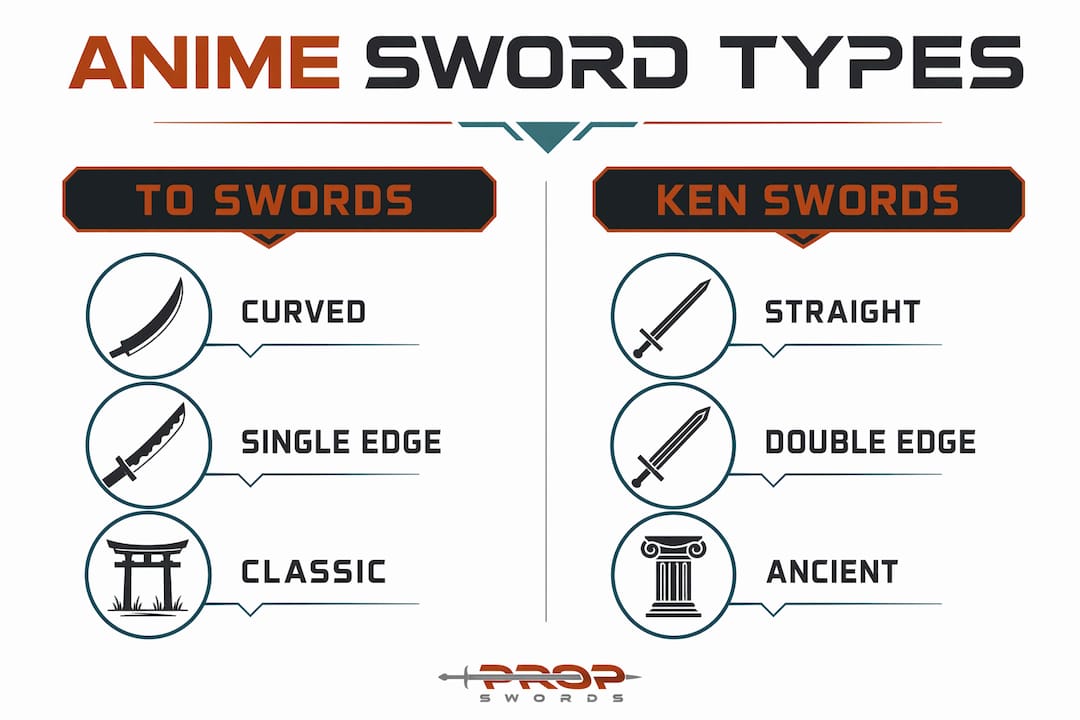
Anime sword terminology is the specialized vocabulary used to name, classify, and describe the blades that appear across anime series, drawing from real Japanese sword traditions and anime-specific lore. Mastering this vocabulary matters whether you are building a cosplay costume, hunting for a display replica, or simply trying to follow the plot of Demon Slayer or Bleach without getting lost. The core distinction starts with two Japanese words: “to” (刀, the curved single-edged katana) and “ken” (剣, the straight double-edged sword). From there, the terminology branches into blade anatomy, naming conventions, and series-specific terms like Nichirin and Zanpakutō that carry deep narrative weight. This guide covers anime sword terminology explained from the ground up, so you walk away with real knowledge, not just a list of words.
What are the primary Japanese sword terms used in anime?
Japanese sword terminology draws a hard line between “to” and “ken,” and that distinction is over 1,000 years old. “To” refers to the curved, single-edged blade most fans recognize as the katana. “Ken” describes a straight, double-edged sword called a tsurugi. Anime uses both types constantly, and knowing which is which changes how you read a fight scene or evaluate a replica.
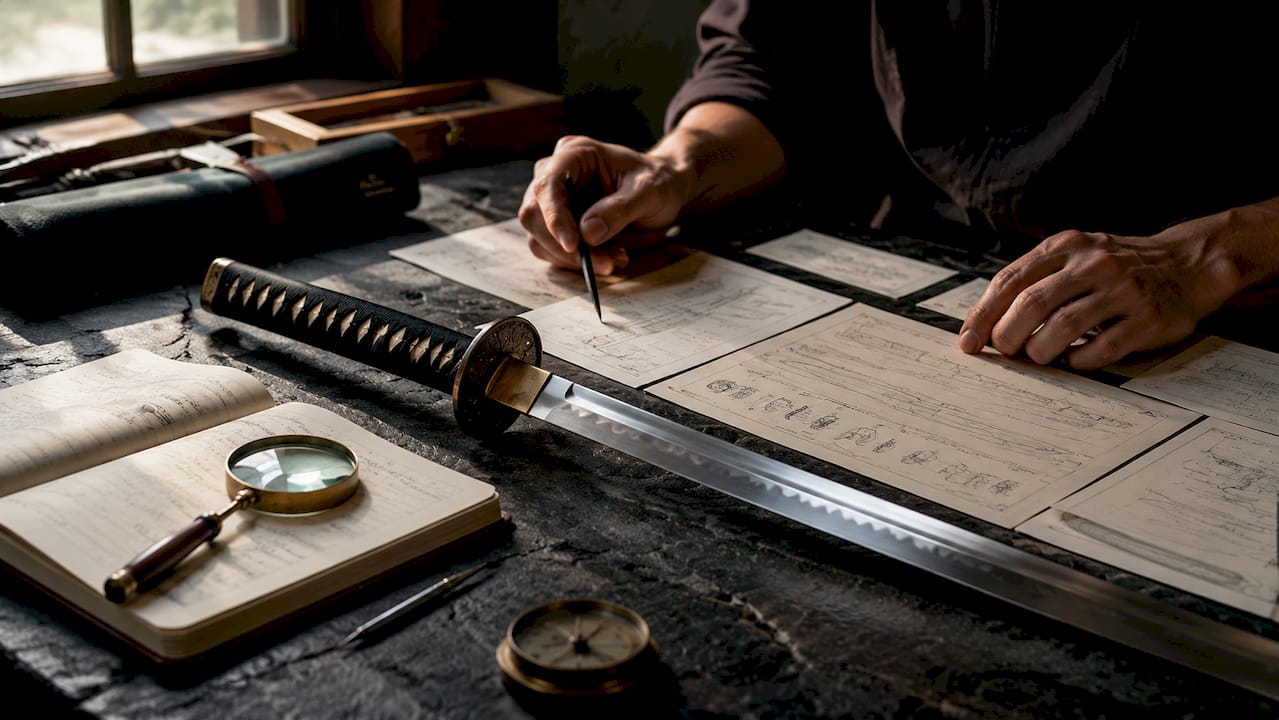
Beyond blade shape, every sword has named parts that show up in anime descriptions and replica catalogs. The nagasa is the blade length, measured from tip to the base of the cutting edge. The nakago is the tang, the section of the blade that fits inside the handle. The tsuba is the hand guard, often the most decorative part of a katana replica. The habaki is the metal collar that locks the blade into the scabbard, called the saya.
Real Japanese sword-making terms like nakago and nagasa directly inform anime sword descriptions, which is why replica craftsmen and serious collectors use them. Knowing these terms lets you read a product description and understand exactly what you are buying.
Here are the foundational terms every fan should know:
- Katana (“to”): curved, single-edged, worn edge up
- Tsurugi / Ken: straight, double-edged, ancient ceremonial or warrior blade
- Wakizashi: shorter companion blade, worn alongside the katana
- Tanto: a short dagger-length blade, often used for close combat
- Nodachi: an oversized two-handed sword, longer than a standard katana
- Naginata: a pole weapon with a curved blade, used heavily by female warriors in history and anime
Pro Tip: When reading anime lore or replica descriptions, check whether the blade is described as “to” or “ken” first. That single distinction tells you the blade’s shape, edge count, and historical lineage before you read another word.
How do anime series uniquely apply and adapt sword terminology?
Anime does not just borrow Japanese sword terms. It builds entirely new vocabulary on top of them, and the best series root that vocabulary in real history.
Demon Slayer’s Nichirin swords
The word “Nichirin” (日輪刀) literally means “Sun Ring Blade.” That name is not decorative. Nichirin swords are forged from a special ore called Crimson Iron Sand, which absorbs sunlight. Sunlight is the one force that kills demons in the series, so the blade’s name encodes its entire purpose. The series recognizes 14 distinct blade colors, each tied to a Hashira’s breathing style and spiritual nature. Tanjiro’s blade turns black, which is rare and poorly understood within the story itself, adding mystery to the terminology.
The forging of Nichirin swords reflects a sophisticated nod to Japanese folklore and metallurgy, showing how anime adapts authentic materials and symbolic concepts rather than inventing from nothing.
Bleach’s Zanpakutō system
In Bleach, every Soul Reaper carries a Zanpakutō, a sword that is literally a spiritual extension of its owner. Ichigo’s Zanpakutō mirrors the samurai belief that a sword reflects its owner’s soul. Each Zanpakutō has a name, a spirit, and two released forms: Shikai (initial release) and Bankai (final release). The naming conventions follow Japanese poetic tradition, with names like Zangetsu (Slaying Moon) and Senbonzakura (Thousand Cherry Blossoms) carrying visual and emotional meaning.
One Piece’s Wazamono blade ranking
One Piece uses a grading system for swords that mirrors the real Edo-period Wazamono ranking, which was originally based on testing blades on condemned criminals in a practice called tameshigiri. The grades run from Ryo Wazamono (sharp swords) up to Saijo O Wazamono (the 12 supreme blades). Zoro’s Enma is one of those supreme blades. That ranking system is not fictional invention. It is anime integrating real Japanese sword culture directly into its lore.
“Anime swords are not mere props. They are deeply rooted in real Japanese metallurgy, sword grading, and spiritual traditions.” — Nerdbot
Anime also references legendary historical smiths. Swords associated with Masamune imply mastery and prestige, while those linked to Muramasa imply cursed or dark traits. Knowing those references tells you immediately whether a blade is a hero’s weapon or a villain’s tool.
What are the different types of anime swords and their names?
Japanese sword types like katana, wakizashi, tanto, nodachi, and naginata serve as the foundation for nearly every blade design in anime. Series then stretch those foundations into stylized forms that would be impractical in reality but visually iconic on screen.
| Sword type | Blade length | Edge type | Anime example | Collector relevance |
|---|---|---|---|---|
| Katana | 60–73 cm | Single, curved | Tanjiro’s Nichirin | Most popular replica type |
| Wakizashi | 30–60 cm | Single, curved | Paired with katana in samurai anime | Common display set piece |
| Tanto | Under 30 cm | Single or double | Assassination Classroom, various ninja series | Compact display option |
| Nodachi | Over 90 cm | Single, curved | Guts’ Dragon Slayer in Berserk | Statement display piece |
| Naginata | Pole + curved blade | Single | Demon Slayer, historical warrior anime | Less common in replicas |
| Tsurugi / Ken | Varies | Double, straight | Sword Art Online’s one-handed swords | Growing collector interest |
Anime frequently exaggerates blade proportions for dramatic effect. Guts carries a sword in Berserk that weighs as much as a slab of iron and would be physically impossible to swing. Cloud Strife’s Buster Sword in Final Fantasy VII adaptations follows the same logic. These oversized designs have their own informal term in fan communities: “zanbato,” referring to a massive horse-cutting sword from Chinese and Japanese history.
Pro Tip: When buying a replica of an oversized anime sword, check the listed blade material and weight before purchasing. Display-grade replicas of nodachi or zanbato-style swords are often made from zinc alloy or resin to keep them manageable for cosplay.
Cosplayers need to match sword type to character accurately. Choosing a wakizashi replica for a character who carries a nodachi breaks the visual read instantly. Collectors face the same issue when displaying paired sets. Knowing the correct type name lets you search for the right replica without guessing.
How does sword terminology knowledge benefit cosplayers and collectors?
Terminology knowledge aids cosplayers in selecting accurate replicas and understanding the cultural context behind each blade. That accuracy shows on the convention floor. A cosplayer who knows their character carries a Nichirin blade with a specific color tied to a breathing style can source a replica that matches the lore exactly, not just the general shape.
For collectors, the benefits go deeper:
- Identification accuracy: Knowing whether a blade is a katana or a tsurugi helps you verify that a replica matches its source material before buying.
- Cultural appreciation: Understanding that fans and collectors value anime swords as extensions of character identity adds meaning to display pieces beyond aesthetics.
- Smith references: Recognizing Masamune or Muramasa references in a blade’s lore tells you its narrative role and raises its symbolic value as a collectible.
- Display and care vocabulary: Terms like saya (scabbard), tsuba (hand guard), and habaki (blade collar) help you describe, store, and maintain replicas correctly.
- Conversation authority: Collectors who speak the terminology earn credibility in fan communities and at conventions.
Exploring iconic anime swords through their historical and narrative context deepens the experience of owning a replica. A Zanpakutō on your wall is not just a prop. It is a reference to a 1,000-year-old belief that a sword carries its owner’s soul.
Key Takeaways
Anime sword terminology bridges real Japanese sword traditions and series-specific lore, giving fans, cosplayers, and collectors a precise vocabulary to identify, discuss, and appreciate every blade they encounter.
| Point | Details |
|---|---|
| “To” vs. “ken” is the core distinction | “To” means curved single-edged katana; “ken” means straight double-edged tsurugi. |
| Anime builds on real history | Systems like One Piece’s Wazamono ranking and Nichirin forging draw from authentic Japanese metallurgy and grading traditions. |
| Blade anatomy terms matter for replicas | Terms like nagasa, nakago, tsuba, and saya appear in replica descriptions and affect buying decisions. |
| Smith names signal blade character | Masamune references imply prestige; Muramasa references imply cursed or dark traits. |
| Terminology improves cosplay accuracy | Knowing the correct sword type and lore color prevents mismatched replicas at conventions. |
Why anime sword names deserve more respect than fans give them
Most fans treat sword names as flavor text. They remember “Zangetsu” because it sounds cool, not because they know it means “Slaying Moon” or that the name follows a tradition of poetic Japanese sword naming that goes back centuries. That gap between recognition and understanding is where a lot of collector and cosplay value gets lost.
What changed my perspective was reading about the Wazamono grading system and realizing that One Piece did not invent a fictional hierarchy. Oda pulled a real Edo-period practice into his world and dressed it in anime logic. That is not lazy worldbuilding. That is respect for source material. When you know that, Zoro’s obsession with blade quality stops being a character quirk and becomes a historically grounded philosophy.
The same applies to Nichirin swords. The idea that a blade absorbs sunlight sounds like pure fantasy until you learn that Japanese swordsmiths historically believed the quality of ore and the conditions of forging carried spiritual significance. Demon Slayer took that belief and made it literal. The terminology reflects that depth.
My advice to collectors is to learn at least the blade anatomy terms before buying a replica. Knowing what a tsuba is, what a saya does, and why nakago length affects balance makes you a smarter buyer and a more credible fan. The terminology is not gatekeeping. It is the shortest path to getting more out of every piece you own.
— Muhammad
Propswords has the replicas to match the terminology
Once you know the difference between a Nichirin blade and a Zanpakutō, finding the right replica becomes a much sharper process.
Propswords carries a curated selection of anime-inspired replicas built for display accuracy and cosplay use. The best replica swords for 2026 include options across katana, nodachi, and series-specific styles, with free shipping within the USA. If you are preparing for a convention, the cosplay sword prep guide covers safe handling, display setup, and convention compliance. Propswords also offers a top 10 collectible replicas list for fans who want iconic blades without the research overhead.
FAQ
What is the difference between a katana and a tsurugi in anime?
A katana (“to”) is a curved, single-edged blade worn edge up. A tsurugi (“ken”) is a straight, double-edged sword with ancient ceremonial origins. Anime uses both types, and the distinction affects blade design, fighting style, and replica selection.
What does “Nichirin” mean in Demon Slayer?
Nichirin (日輪刀) means “Sun Ring Blade.” The name reflects the sword’s function: it is forged from ore that absorbs sunlight, the only force capable of killing demons in the series.
How does the Wazamono ranking system work in One Piece?
The Wazamono system grades swords from Ryo Wazamono (sharp swords) up to Saijo O Wazamono, the 12 supreme blades. It mirrors a real Edo-period Japanese ranking tradition originally based on blade-testing practices called tameshigiri.
Why do Zanpakutō have names in Bleach?
Zanpakutō names reflect the spiritual identity of their Soul Reaper wielder, following the samurai belief that a sword carries its owner’s soul. Each name carries poetic meaning, such as Zangetsu (Slaying Moon) or Senbonzakura (Thousand Cherry Blossoms).
What sword terminology should cosplayers know before buying a replica?
Cosplayers benefit most from knowing blade type (katana, nodachi, tanto), key anatomy terms (tsuba, saya, nagasa), and any series-specific lore names (Nichirin color, Zanpakutō release form). That knowledge prevents mismatched replicas and improves display accuracy.
Recommended