TL;DR:
- Sword forging involves heating steel and shaping it through hammering and folding to produce blades with optimal strength, flexibility, and sharpness. The process relies on controlling materials, temperature, and techniques like folding, hardening, and polishing to create historically and culturally significant swords. Forging offers structural advantages over stock removal, preserving grain integrity and internal quality, making it a respected craft even in the modern era.
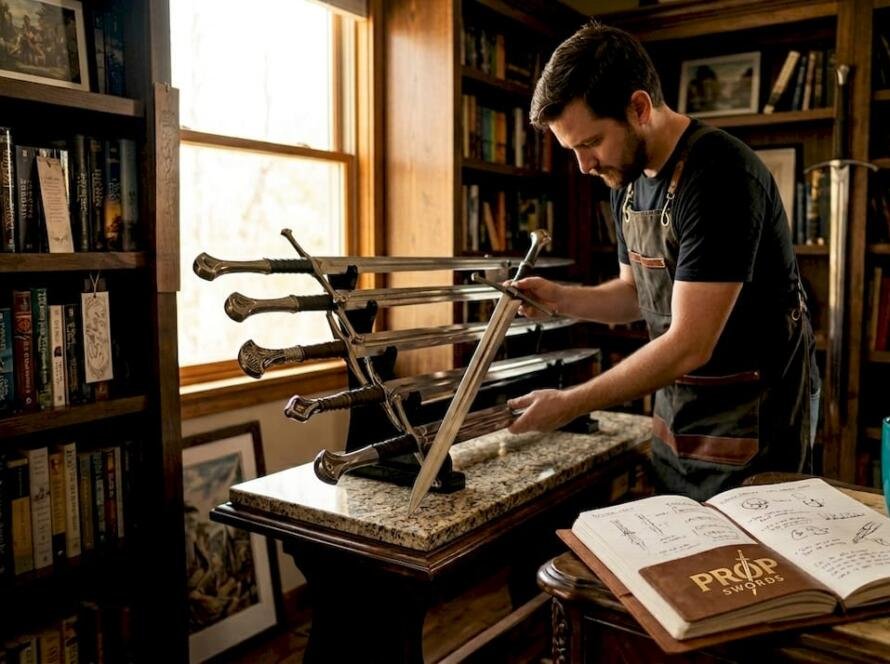
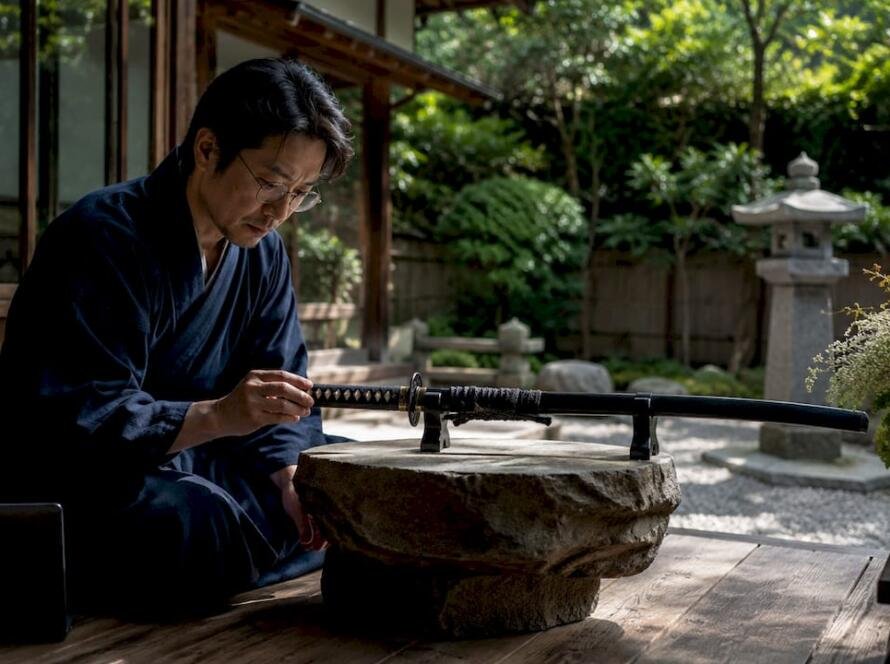
Sword forging is defined as the process of heating steel to a malleable state and shaping it through repeated hammering, folding, and heat treatment to produce a blade with optimal strength, flexibility, and sharpness. The industry term for this craft is bladesmithing, and it sits at the intersection of metallurgy and traditional craftsmanship. A forge, anvil, and hammer are the three tools no swordsmith works without. From the Japanese tamahagane tradition to European high-carbon steel blades, the sword making process has produced some of history’s most technically sophisticated metalwork.
What materials and tools are essential for sword forging?
The steel you choose determines everything about the finished blade. High-carbon steel is the standard material for functional swords, and the optimal carbon content sits at 0.60–0.70%. That range balances edge hardness with enough toughness to prevent the blade from shattering under impact. Go lower and the edge won’t hold. Go higher and the blade becomes brittle.
Japanese bladesmiths use tamahagane, a steel produced through the tatara smelting process over a 3–4 day period. Tamahagane contains varying carbon levels throughout the bloom, which is why the folding process becomes necessary. Western smiths typically work with tool steels like 1075, 1084, or 5160 spring steel, each offering predictable performance and wide availability.
The core tool set every smith needs
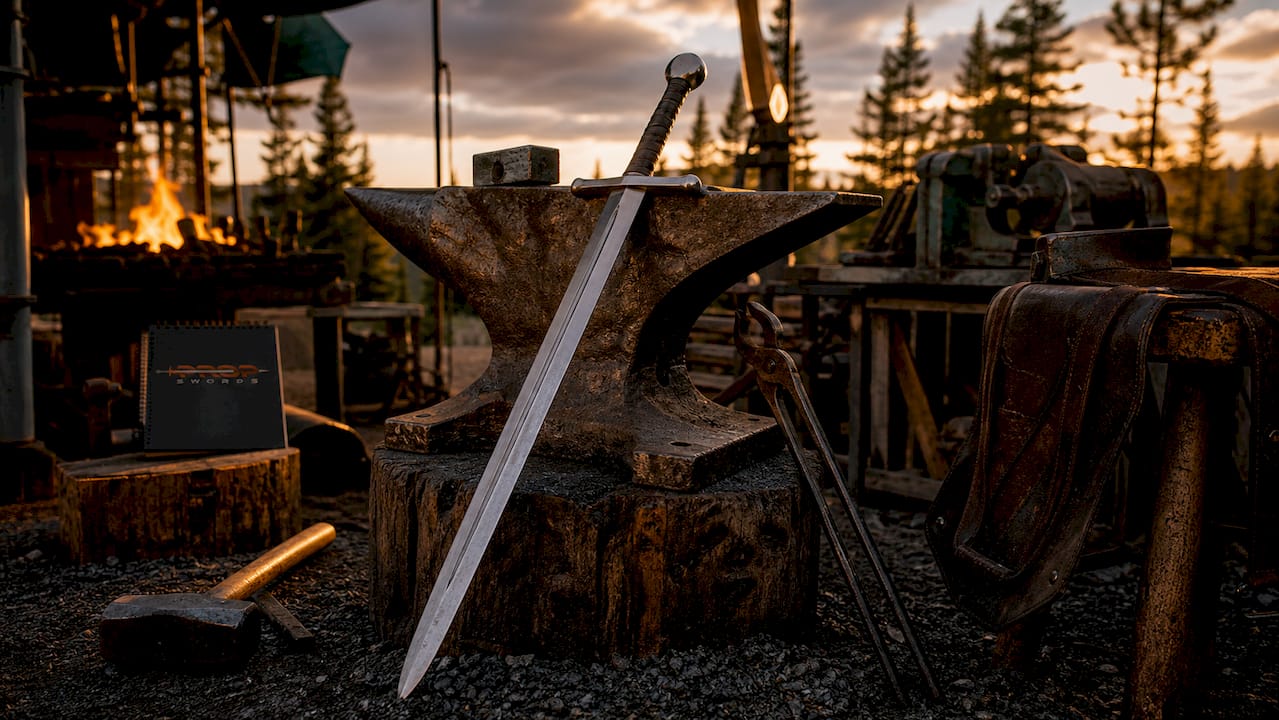
- Forge: Gas or coal forges heat steel to the 1,000–1,300°C range where it becomes workable. Temperature control here is not optional. It is the foundation of every decision that follows.
- Anvil: The working surface where hammering shapes the steel. A quality anvil weighs 150–300 lbs and provides the rebound energy that makes hammering efficient.
- Hammers: Cross-peen and rounding hammers move steel in specific directions. The aizuchi technique in Japanese forging uses two smiths hammering in coordinated rhythm, a master and apprentice working in precise synchronization.
- Tongs: Hold the hot billet safely during all stages of forging. Different jaw shapes grip different billet profiles.
- Files and grinders: Used in finishing stages to refine geometry and prepare the surface for polishing.
- Quench tank: Holds water or oil for the hardening step. The quench medium affects the speed of cooling and the resulting hardness.
Pro Tip: Heat control is as critical as hammering technique. Steel that is too cool will crack under the hammer. Steel that is overheated loses carbon and becomes permanently weaker. Watch the color: bright orange to yellow is your working window.
The steel types and qualities you select will shape every downstream decision in the forging process, from how many folds you take to how you approach the quench.
What are the main steps in the traditional sword forging process?
The sword making process follows a clear sequence. Each step builds on the last, and skipping or rushing any stage produces a blade that fails structurally or aesthetically.
-
Heating the billet. Steel is placed in the forge and brought to a working temperature of 1,000–1,300°C. At this range, the steel glows bright orange and becomes plastic enough to move under the hammer without cracking.
-
Folding. The billet is hammered flat, folded over itself, and welded back together under heat. Folding 8–16 times distributes carbon evenly and drives out slag and impurities. This is where tamahagane goes from a rough bloom to a refined, consistent steel. One critical warning: excessive folding beyond roughly 20 times causes decarburization, which reduces carbon content and softens the blade. More folds is not better.
-
Drawing out and shaping. The smith hammers the billet into a rough blade profile, establishing the length, width, and taper. This stage also sets the distal taper, the gradual reduction in thickness from base to tip that gives a sword its balance.
-
Profiling and beveling. The blade’s cross-section is refined. The smith works the bevels that will eventually form the cutting edge, using the anvil’s horn and face to control geometry precisely.
-
Clay coating (tsuchioki). Before quenching, a layer of clay is applied to the blade. Thicker clay goes on the spine; thinner clay or no clay goes near the edge. This controls cooling rates during the quench. The clay coating thickness is meticulous work because it directly determines the hamon pattern and prevents thermal cracking.
-
Quenching. The blade is heated to critical temperature and plunged into water or oil. Quenching gives the sword its hardness, but a blade left in this state would be dangerously brittle.
-
Tempering. The quenched blade is reheated to a lower temperature, typically 150–300°C, and held there to relieve internal stress. Tempering is the step that converts a hard but fragile blade into a functional weapon.
-
Grinding, polishing, and sharpening. A specialist called a togishi handles the final polishing in traditional Japanese work. The polishing process can last several weeks and reveals the hamon and the steel’s grain structure. Grinding and sharpening follow to bring the edge to its final geometry.
Pro Tip: Never quench a blade that has warped during forging. Straighten it first while it is still at heat. A warped blade going into the quench will lock that warp in permanently.
How does forging differ from stock removal?
Stock removal is the alternative sword making method. A smith starts with a flat steel bar and grinds away material until the blade shape emerges. No heat, no hammer, no folding. The process is closer to sculpture than traditional bladesmithing.
Stock removal is 50–80% faster for commercial production. That speed advantage explains why most factory-made swords use it. The cost savings are real, and for decorative pieces, the functional difference is minimal.
The metallurgical gap between the two methods is where forging earns its reputation. Forging compacts steel grains and manipulates the internal structure in ways that stock removal cannot replicate. Hammering aligns the grain flow along the blade’s length, which improves toughness and resistance to lateral stress. Stock removal cuts across grain lines, leaving the steel in whatever state it arrived from the mill.
| Factor | Forging | Stock Removal |
|---|---|---|
| Production speed | Slow (days to weeks) | Fast (hours to days) |
| Grain structure | Compacted and aligned | Unchanged from bar stock |
| Carbon distribution | Refined through folding | As-received from mill |
| Hamon formation | Possible through clay coating | Not achievable authentically |
| Cost | High | Low to moderate |
| Skill required | Extensive | Moderate |
Forged blades offer grain structure benefits that stock removal simply cannot match. For collectors and practitioners who understand sword metallurgy, that structural difference is the entire point.
What is the history and cultural legacy of sword forging?
The history of sword forging spans roughly 3,000 years, beginning with iron swords in the early Iron Age and evolving through distinct regional traditions. Each culture developed techniques suited to its available materials and combat needs.
Japanese sword forging stands as the most documented and ritualized tradition in the world. The tatara furnace, used to produce tamahagane, operates on a 3–4 day smelting cycle that has remained largely unchanged for centuries. Japanese swordsmiths, called tosho, typically begin forging sessions at 7:00 AM and work through midday, following a daily rhythm that reflects the physical demands of the craft.
- Tamahagane steel is the raw material of the Japanese tradition. Its variable carbon content requires the folding process to create a uniform, high-quality blade.
- The hamon is the visible boundary line created by differential hardening. Differential hardening makes the spine flexible and the edge hard. The hamon is effectively the blade’s fingerprint. No two are identical.
- Aizuchi (mutual striking) is the coordinated hammering technique where master and apprentice strike in alternating rhythm. The word aizuchi entered the Japanese language as a metaphor for agreement and back-and-forth conversation.
- Apprenticeship structure in Japan requires years of study before a student touches the primary blade work. Modern tosho still follow this model, with apprenticeships lasting five years or more.
- European traditions focused on pattern welding, a technique that layered different iron and steel types to create blades with visible surface patterns. Viking Age swords from Scandinavia used this method extensively.
The historical craftsmanship techniques behind these traditions reveal how deeply sword forging shaped the cultures that practiced it. A sword was not just a weapon. It was a demonstration of a civilization’s metallurgical knowledge.
Key takeaways
Sword forging is a sequential, material-driven craft where each step from steel selection to final polish directly determines the blade’s structural integrity and aesthetic character.
| Point | Details |
|---|---|
| Carbon content is critical | Functional swords require 0.60–0.70% carbon to balance hardness and toughness. |
| Folding has a limit | Folding 8–16 times refines steel; exceeding roughly 20 folds causes decarburization and weakens the blade. |
| Quenching requires tempering | Quenching hardens the blade, but tempering is required to prevent brittleness and structural failure. |
| Forging beats stock removal structurally | Forging aligns grain structure and distributes carbon; stock removal leaves steel unchanged from bar stock. |
| The hamon is functional, not decorative | Differential clay hardening creates the hamon while simultaneously making the edge hard and the spine flexible. |
Why forging still demands respect in a world of CNC machines
I have spent years studying bladesmithing traditions, and the single biggest misconception I encounter is that more folding means a better sword. People read about Japanese katanas and assume the folding count is a quality metric. It is not. The folding serves a specific metallurgical purpose: evening out carbon distribution in tamahagane. Once that job is done, usually by 16 folds, additional folding actively degrades the blade. A smith who folds 30 times is not more skilled. They are making a softer sword.
The second thing most people miss is how much of forging is heat management rather than hammering. You can have perfect technique at the anvil and still ruin a blade by working it at the wrong temperature. The forge is where the real decisions happen.
What I find genuinely compelling about sword forging in 2026 is that it has not been replaced by modern manufacturing for the same reason handmade furniture has not been replaced by flat-pack production. The process itself carries meaning. A forged blade records every decision the smith made. The hamon is not applied. It is revealed. That distinction matters to anyone who takes the craft seriously.
If you are starting out, get hands-on time before you invest in equipment. Study the craftsmanship qualities that separate functional blades from decorative ones. Read about metallurgy. Then pick up a hammer.
— Muhammad
Explore replica swords that honor the craft
Understanding the sword making process changes how you look at any blade. The grain structure, the hamon, the geometry of the bevel: these are not accidents. They are the result of deliberate decisions made at every stage of forging.

Propswords carries a curated selection of replica swords built with that same attention to detail in mind. Whether you collect anime-inspired blades, historical replicas, or fantasy pieces for display or cosplay, the best replica swords for 2026 on Propswords reflect the craftsmanship traditions this article covers. Browse the collection and find a blade that means something to you.
FAQ
What is sword forging in simple terms?
Sword forging is the process of heating steel and shaping it through hammering and folding to create a blade with controlled hardness, flexibility, and sharpness. It is the traditional method used by bladesmiths across Japanese, European, and other historical traditions.
What steel is best for sword forging?
High-carbon steel with 0.60–0.70% carbon content is the standard for functional swords, balancing edge hardness with toughness. Japanese smiths use tamahagane, while Western smiths commonly work with tool steels like 1075, 1084, or 5160.
How many times should a sword be folded during forging?
Folding 8–16 times is the standard range for distributing carbon and removing impurities. Folding beyond roughly 20 times causes decarburization, which reduces carbon content and weakens the blade.
What is the difference between forging and stock removal?
Forging uses heat and hammering to shape steel and refine its grain structure, while stock removal grinds a blade shape from a flat bar without altering the steel’s internal structure. Forging produces stronger, structurally superior blades; stock removal is faster and less expensive.
What is a hamon on a forged sword?
A hamon is the visible line on a blade created by differential hardening, where clay applied before quenching causes the edge and spine to cool at different rates. It is both a functional feature and the blade’s unique visual signature.
Recommended