Replica swords deliver real value across several distinct areas: striking home décor, cosplay authenticity, historical education, and the deep personal satisfaction of building a collection tied to stories and cultures you actually care about. They’re affordable and accessible, typically ranging from $30 to $300 compared to $200 to $5,000 or more for functional blades, and they carry none of the safety or legal complications that come with sharp, combat-ready steel.
The core advantages at a glance:
- Decorative appeal with low maintenance and no safety risk
- Cosplay and convention use thanks to blunt edges and lightweight construction
- Cultural and historical connection to legendary swords, periods, and traditions
- Educational value for hands-on learning in schools, museums, and re-enactments
- Emotional and personal meaning as collectibles tied to identity and passion
- Practical training utility for choreography, stage combat, and martial arts forms
1. Why replica swords carry real cultural and historical weight
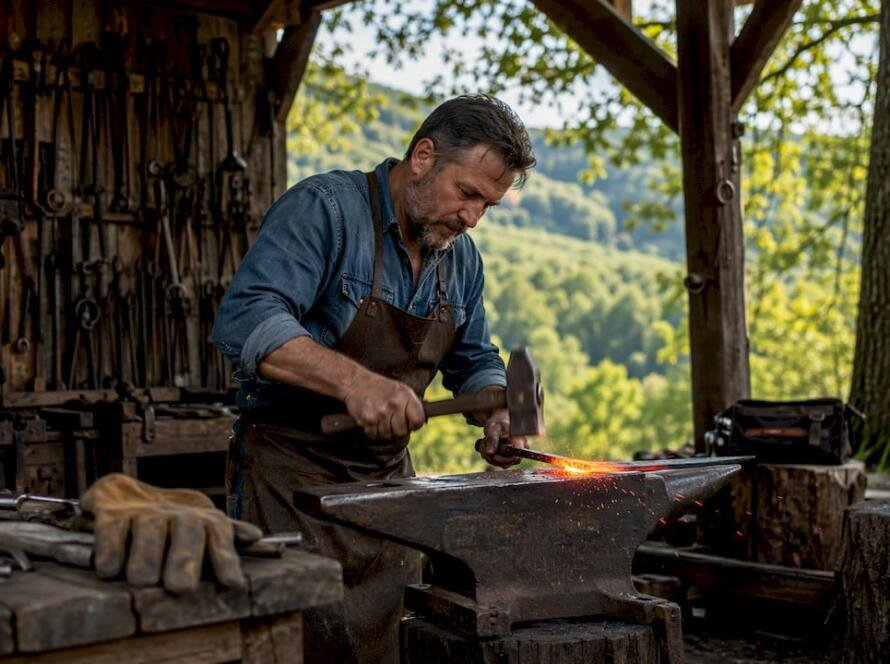
Every sword has a story behind it, and owning a replica puts that story in your hands. Collecting replica swords connects owners physically and intellectually to history, including the craftsmanship, culture, and storytelling that shaped entire civilizations. A Viking longsword replica, for instance, reflects Norse metallurgy and warrior culture. A katana reproduction speaks to centuries of Japanese sword-making tradition.
The historical significance of replica swords goes beyond aesthetics:
- Symbolic meaning: Many blades represent legendary figures, pivotal battles, or cultural values like honor and chivalry
- Craftsmanship preservation: High-quality replicas document the design principles of medieval blacksmiths for modern audiences
- Iconic originals: Replicas of swords like Excalibur, the Templar longsword, or the Roman Gladius let collectors celebrate heritage that shaped literature and history
- Cultural storytelling: Each design carries the visual language of its era, from blade geometry to handle materials
Owning a replica of a famous blade isn’t nostalgia. It’s a tangible way to engage with the past that no book or documentary can replicate.
2. How replica swords enhance your home or office décor
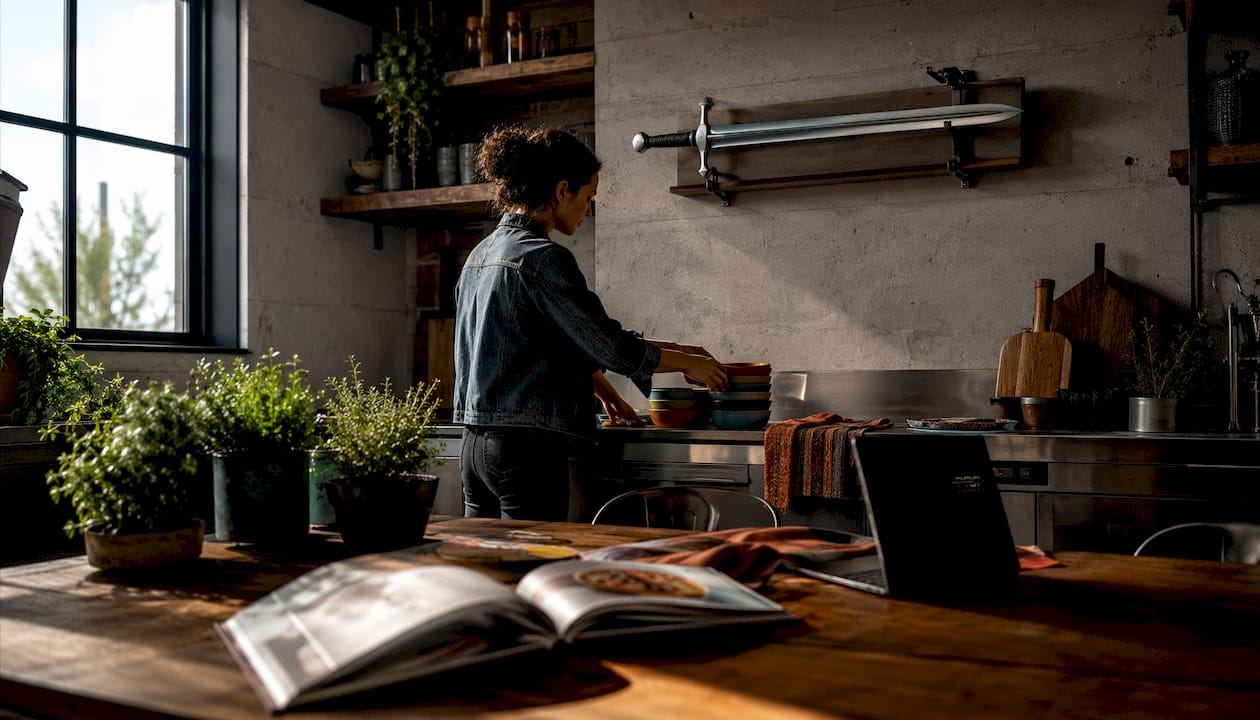
A well-placed sword transforms a room. Displaying replica swords enhances home or office décor, acting as striking conversation pieces with low maintenance needs. Unlike real weapons, they bring historical ambiance without the risks.
Creative display options collectors use most:
- Wall mounts and plaques: A horizontal or angled wall mount turns any blade into wall art
- Freestanding display stands: Ideal for desks, shelves, or themed corners
- Glass cabinets: Protect the piece while keeping it fully visible
- Paired displays: Mounting a sword alongside a shield or scabbard creates a complete historical vignette
- Thematic groupings: Organizing by era, culture, or franchise builds a cohesive visual statement
For décor ideas and expert tips on placement and styling, Propswords covers practical approaches that work in real living spaces. Stainless steel finishes resist tarnishing, so a display piece stays sharp-looking with nothing more than an occasional wipe-down.
3. Replica swords in cosplay and entertainment
No character build is complete without the right blade. Replica swords are ideal for cosplay because of their lightweight design, blunt edges, and compliance with convention safety rules. Most events ban real weapons outright, so a well-made replica is the only practical option.
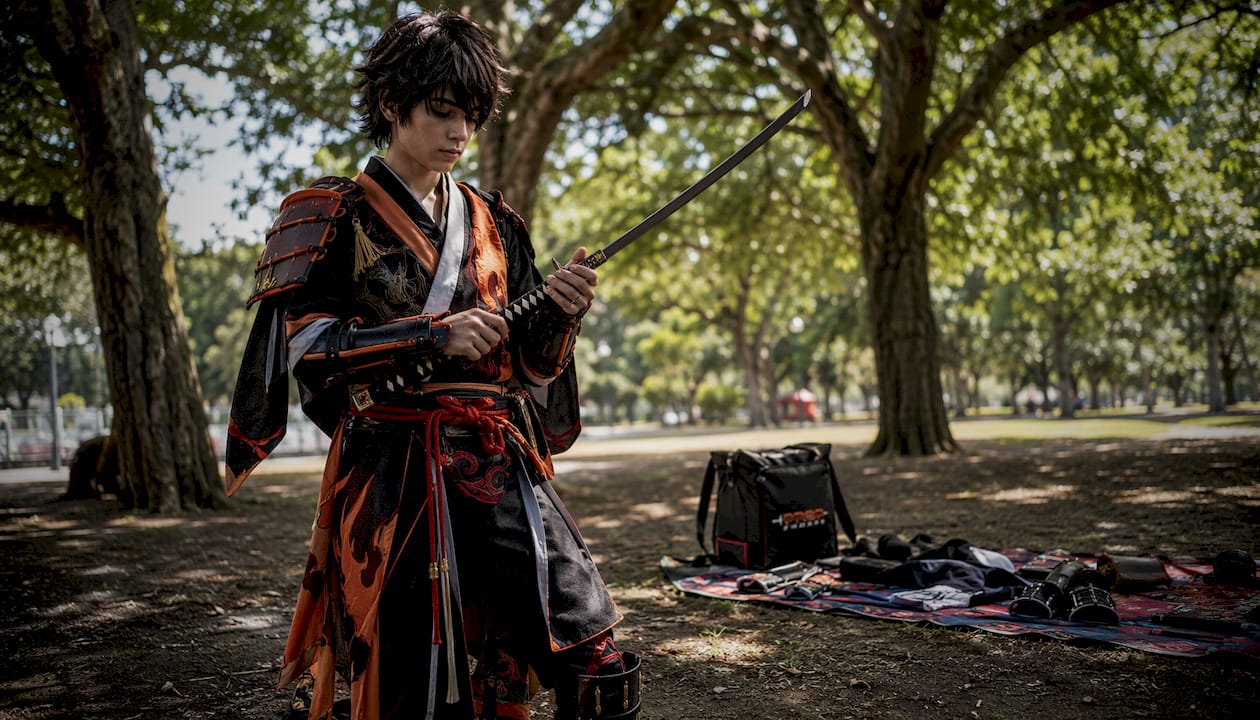
The appeal runs across every major fandom. Anime fans recreating characters from Demon Slayer or Bleach, gamers embodying Link from The Legend of Zelda, and movie fans channeling Aragorn from The Lord of the Rings all rely on accurate replicas to complete the look. The detail level on modern replicas, from blade engravings to handle wrapping, makes the difference between a costume that reads as authentic and one that clearly isn’t.
For collectors who also cosplay, Propswords has a dedicated resource on replica swords for cosplay that covers how to match a blade to a character accurately. Budget-conscious cosplayers also benefit: a quality replica costs a fraction of a functional sword and performs just as well on a convention floor.
4. The emotional and personal value collectors actually feel
Collecting replica swords isn’t just about the objects. Replica swords reflect the owner’s passion, identity, and connection to favorite stories or historic periods, and collectors often build personal narratives through their selections and displays.
That emotional dimension shows up in a few specific ways. A collector who grew up watching samurai films and now owns a display-quality katana replica has closed a loop between childhood fascination and adult expression. Someone who gifts a replica of a meaningful sword, say, a Viking blade to a partner who loves Norse mythology, creates a lasting object tied to a shared memory. Propswords covers the gifting angle in depth, including how to choose a meaningful blade for someone whose tastes you know well.
Building a collection also carries its own satisfaction. Curating pieces by theme, era, or franchise gives collectors a creative project with no fixed endpoint, which is part of why the hobby holds attention over years rather than months.
5. Educational benefits that go beyond the classroom
Replica swords serve as genuine teaching tools. Schools, museums, and history groups use them to illustrate medieval life and warfare in ways that flat images simply can’t match. Holding and examining a replica helps students and enthusiasts appreciate the weight, design, and cultural context of these weapons in a way that reading about them never does.
The learning goes in several directions. A replica katana teaches the geometry of Japanese blade design. A broadsword replica demonstrates why European knights needed two hands for certain strikes. Even the handle materials, whether wrapped leather, wire, or wood, tell a story about the resources and priorities of the culture that made the original.
Re-enactors and LARP participants rely on replicas for exactly this reason: realistic appearance without the danger of live steel. The tactile experience makes history stick.
6. Practical uses for training and martial arts practice
Replica swords have a legitimate role in physical training, particularly for choreography, stage combat, and martial arts forms that prioritize movement over cutting. Practitioners of iaido, for example, often begin with a blunt practice blade before advancing to a sharp one. Stage combat instructors use replicas to teach footwork, timing, and blade control in safe conditions.
The lightweight construction that makes replicas ideal for display also makes them practical for extended movement drills. Carrying and maneuvering a blade for an hour of choreography rehearsal is far easier with a stainless steel replica than with a full-weight functional sword. For martial arts schools that teach historical European martial arts (HEMA) at the introductory level, replicas provide an accessible entry point before students invest in higher-grade training equipment.
7. How to choose a quality replica sword
Material and construction separate a display piece that lasts from one that disappoints within a year. High-quality replica swords balance aesthetic detail with durability by using stainless steel, careful finishing, and handle designs built to hold up under regular handling.
Key factors to evaluate before buying:
- Blade material: Stainless steel is standard for replicas and resists corrosion well for display purposes
- Tang type: Partial or hidden tangs are typical for decorative replicas; understand that full tang construction is reserved for functional blades
- Edge finish: Replicas should have dull edges for safety; verify this before purchasing for cosplay or display
- Detail accuracy: Engravings, handle wrapping, and guard shape should match the original design closely
- Weight and balance: A replica that feels right in hand photographs and displays better than one that’s clearly hollow
For cosplay specifically, prioritize convention safety compliance over visual perfection. A blade that gets confiscated at the door defeats the purpose.
Pro Tip: Before buying, check whether the replica includes a display stand or wall mount. Many quality pieces ship without one, and sourcing proper storage separately, like a dedicated knife and blade holder, protects both the finish and the people around it.
Ready to start or expand your collection? Propswords carries a curated selection of anime, movie, Viking, and historical replicas with free shipping across the USA. Browse the best replica swords in 2026 to find a piece that fits your display, your costume, or your passion.
Key Takeaways
Replica swords offer collectors and enthusiasts a rare combination of historical depth, decorative impact, and practical versatility at a fraction of the cost of functional blades.
| Point | Details |
|---|---|
| Affordable entry point | Replica swords typically range from $30 to $300, versus $200 to $5,000 or more for real blades. |
| Safe for display and cosplay | Blunt edges and lightweight stainless steel construction meet convention safety rules and pose no household risk. |
| Cultural and historical value | Replicas of iconic blades connect collectors to the craftsmanship, symbolism, and stories of specific eras and cultures. |
| Educational and training use | Schools, museums, re-enactors, and martial arts beginners use replicas for tactile, hands-on learning. |
| Emotional and personal meaning | Collectors build identity and personal narratives through curated displays tied to characters, history, or shared memories. |
FAQ
Is it legal to own replica swords in the United States?
Owning replica swords is generally lawful in the U.S., but carrying them in public without a valid reason is often prohibited. They are intended for decoration, collection, and cosplay use.
Are replica swords functional for cutting or combat?
No. Replica swords are decorative by design, with dull edges and partial tangs that prioritize appearance over performance. They are not built for cutting or combat use.
What does Jesus say about owning a sword?
In Luke, Jesus tells his disciples to buy a sword if they don’t have one, interpreted by theologians as a reference to self-defense and preparedness. This passage is a matter of biblical interpretation and does not directly address modern replica ownership.
Can replica swords be used in martial arts training?
Yes, with limitations. Replicas work well for choreography, stage combat, and introductory forms practice where movement and technique matter more than blade performance. They are not suitable for contact sparring or cutting drills.
Recommended