Most Masamune replicas on the market are display pieces, not functional swords, and you should treat them that way unless a seller explicitly documents battle-ready carbon steel construction. No replica maker has recreated the tamahagane metallurgy that made the real Masamune (1264 to 1343) blades legendary, and pieces held at institutions like the Tokyo National Museum remain the benchmark nobody at retail price points matches. Before you buy, do this: check for close-up tang photos, confirm the actual steel type in writing, and verify the return policy. Retailers like Propswords that show full nakago shots and offer clear returns are worth prioritizing over listings that hide those details.
- Do: ask for tang and mekugi photos before paying.
- Do: confirm whether the hamon is forged or etched.
- Don’t: buy a “battle-ready” nodachi length sword without a weight and balance spec.
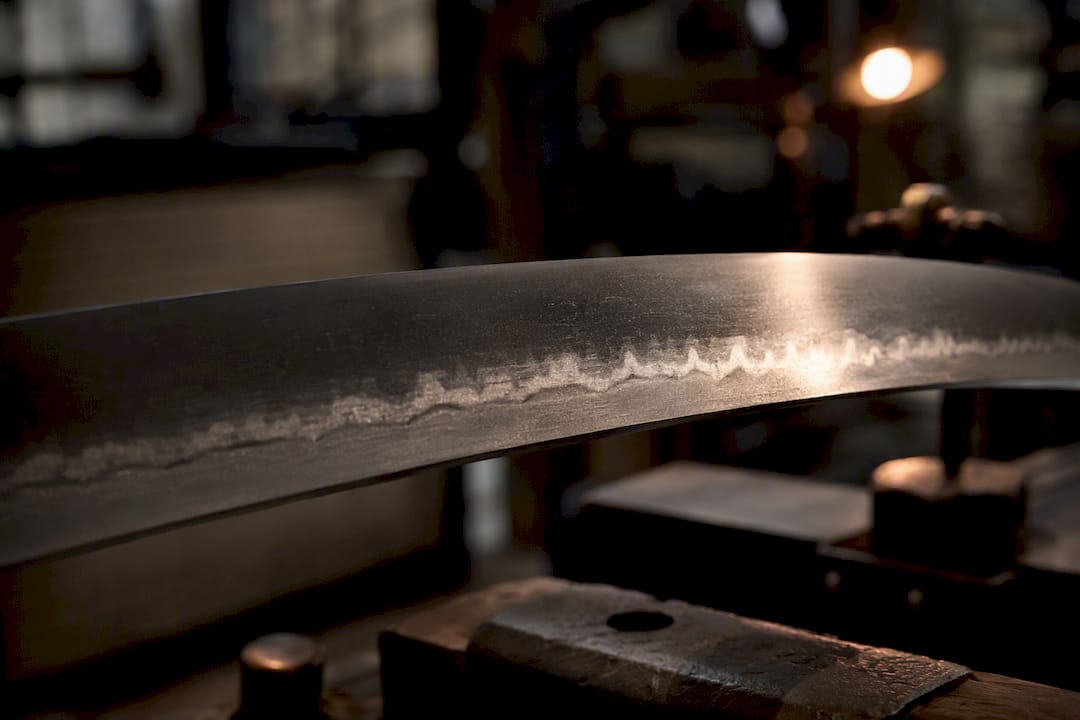
Pro Tip: If a listing photo shows the hamon only from one flat angle, ask for a second photo taken under angled light. Real differential hardening changes brightness as the light shifts; etched patterns usually stay flat.
A good chunk of mass-produced Masamune wall-hangers use lower-grade alloys dressed up with decorative finishing, which is fine for a shelf but not for anything else.
Key Takeaways
Masamune replicas succeed as display or cosplay pieces when buyers verify tang construction, steel type, and hamon authenticity before purchase rather than after.
| Point | Details |
|---|---|
| Treat most replicas as display-only | Buy assuming decorative unless the listing states carbon steel and battle-ready specs explicitly. |
| Inspect the tang, not just the blade | Ask for full nakago and mekugi photos before paying anything. |
| Learn to spot real hamon | Genuine differential hardening shifts brightness under angled light; etched patterns look flat. |
| Match length to use case | Favor lightweight builds for long nodachi-style pieces to avoid tang stress during travel. |
| Shop sellers with transparent photos and returns | Propswords lists tang detail and return terms clearly for display and cosplay category shoppers. |
Table of Contents
- What “Masamune Replica” Usually Means in Product Listings
- How Do You Choose Between Display, Cosplay, and Functional Replicas?
- What Do Real Masamune Features Look Like, and Can Replicas Copy Them?
- Materials and Construction: What to Verify Before You Buy
- Buying a Masamune Replica Online: Red Flags to Watch For
- Caring for Your Masamune Replica
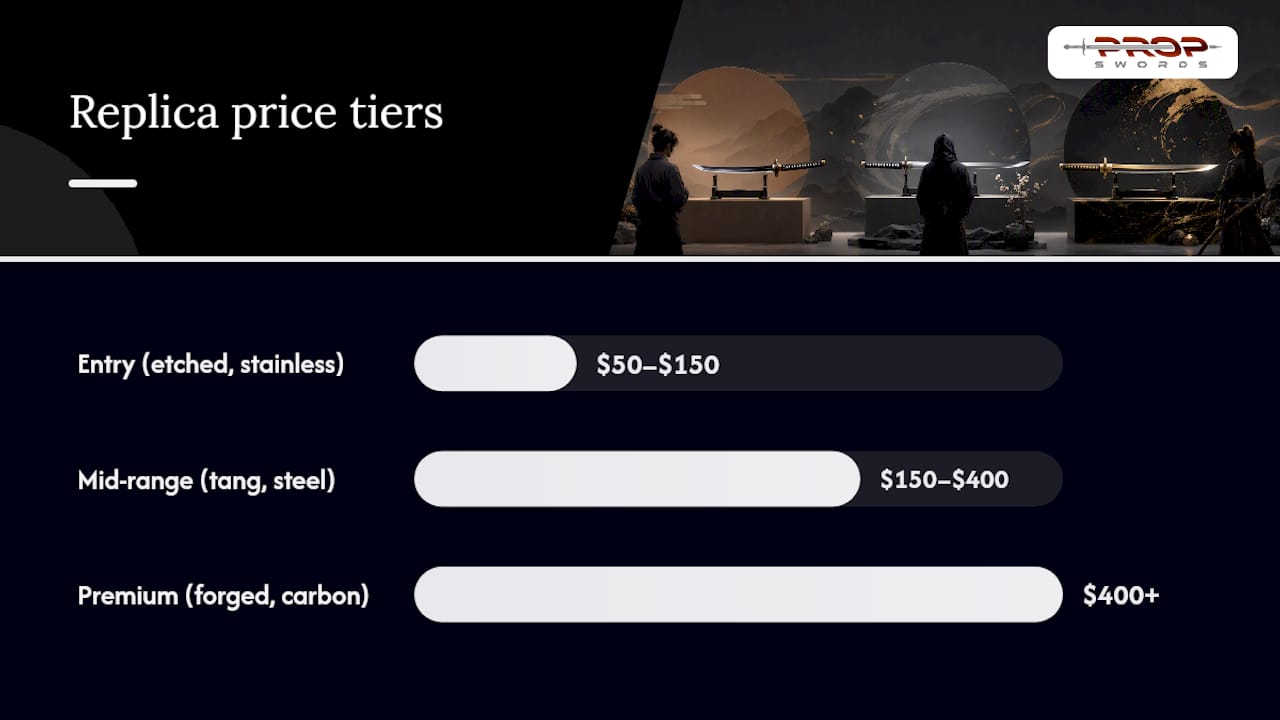
- What Should You Expect to Pay for a Masamune Replica?
- Final Recommendation: What to Do Next
- Where to Find Display-Ready and Cosplay-Ready Masamune Replicas
- Sources
- FAQ
What “Masamune Replica” Usually Means in Product Listings
When a seller writes “Masamune replica,” they typically mean a sword styled after the legendary smith’s aesthetic, not a metallurgical reproduction. The gap between visual reproduction and the original forging tradition is wide. Real Soshu-school blades relied on techniques for folding and tempering steel that modern factories don’t replicate at consumer prices, so what you’re buying is a stylistic tribute, not a lab-accurate clone.
Commercial listings generally fall into four buckets:
- Decorative wall-hangers — lightweight alloy, painted or acid-etched hamon, meant purely for a mount.
- Cosplay props — blunt edges, often resin or aluminum, built for photos and conventions rather than durability.
- Practice or iaido-adjacent pieces — heavier balance, functional tang, still not intended for cutting.
- Premium display pieces — hand-finished blades with real differential hardening, sold at collector prices.
A fitting example on the fan-collectible end: the Sephiroth Masamune replica from Final Fantasy VII is a blunt, 1:6 scale zinc alloy piece built purely for shelf display, not for swinging around at a con. Know which bucket a listing falls into before you compare prices.
How Do You Choose Between Display, Cosplay, and Functional Replicas?
Match the sword to what you’ll actually do with it, then work backward through this checklist:
- Length and weight first. A 6-foot nodachi-style Masamune replica in heavy stainless steel is unwieldy for photos and risky for transport; lighter materials handle long blades far better, as seen in Katana Pool Cues’ design insights. Lighter materials handle long blades far better.
- Steel type second. Stainless is common and low maintenance; carbon steel holds an edge and a temper line better but needs more care; Damascus patterns are usually decorative on budget pieces.
- Tang construction third. A full-tang (nakago that runs the length of the handle) is sturdier than a partial rat-tail tang hidden under the wrap.
- Listed hardness or tempering claims fourth. If a seller states a Rockwell hardness or describes differential heat treatment, ask for documentation.
- Seller photos of the tang and mekugi (the peg securing the handle) fifth. No photo here is a red flag regardless of how good the blade shots look.
Pro Tip: For cosplay, favor a lightweight display-safe alternative over an “authentic” heavy nodachi. Long, heavy blades stress the mekugi during travel and event handling, and a broken peg mid-shoot ruins the costume faster than a slightly shorter blade ever would.
One more thing: check local and event-specific rules before you carry any replica across state lines or into a con venue, since blade-length restrictions and carry policies vary by jurisdiction and by venue security policy.
What Do Real Masamune Features Look Like, and Can Replicas Copy Them?
Authentic Masamune-attributed blades show a level of surface complexity that’s genuinely hard to fake. The Tokyo National Museum’s example, catalogued as L68.78, displays abundant chikei (dark wavy lines within the steel’s grain), active nie (individual bright martensite crystals visible along the hamon), and a hamon that mixes wave patterns rather than running in a single clean line. The Kyoto National Museum’s Meibutsu Shimazu Masamune entry, drawn from records like the Kyōhō meibutsu chō, documents these same measurements and features as reference points collectors still use today.
Here’s what those terms actually mean when you’re staring at a product photo:
- Hamon — the visible temper line separating hard edge steel from softer spine steel.
- Nie — individual crystalline sparkles along the hamon, visible under angled light.
- Chikei — dark, thread-like lines running through the blade’s surface grain.
- Jigane — the overall surface texture of the folded steel.
- Kinsuji / sunagashi — bright streaks and drifting sand-like patterns within the hamon itself.
Collectors on specialist reference sites note that genuine Soshu-school work shows ji-nie, chikei, and kinsuji mixed with dynamic notare and gunome hamon patterns, and that experienced buyers judge a sword by these details rather than any signature stamped on the tang.
Most sub-$300 replicas can’t reproduce active nie or true chikei because those effects come from differential cooling during forging, not surface treatment. Be skeptical of any listing that claims “authentic hamon” on an acid-etched or sandblasted blade.
Materials and Construction: What to Verify Before You Buy
Run every listing through the same checklist regardless of how good the photos look:
- Steel type stated clearly: stainless, carbon, or Damascus pattern-welded.
- Tang style: full nakago running through the handle, versus a shorter rat-tail tang.
- Mekugi and mekugi-ana (the peg and its hole) visible and properly fitted, not just decorative.
- Hardness listed, ideally with a Rockwell figure or a description of the tempering process.
- Finish method disclosed: forged differential hardening versus acid-etched or painted hamon.
Ask sellers for four specific photos before you commit: the hamon under two different light angles, a full tang shot with the handle removed if possible, the edge profile from the side, and any claimed kinsuji or yaki-ashi detail up close. A seller who hesitates to provide these is telling you something.
| Category | Best for | Material/steel | Price range | Craftsmanship signals |
|---|---|---|---|---|
| Entry decorative | Wall display only | Stainless, painted hamon | $50 to $150 | Etched pattern, thin nakago |
| Mid-range cosplay/display | Cosplay and casual display | Stainless or light carbon | $150 to $400 | Photos of tang, some fitting quality |
| Premium collector | Serious display collections | Carbon steel, hand-finished | $400 and up | Forged hamon, documented hardness |
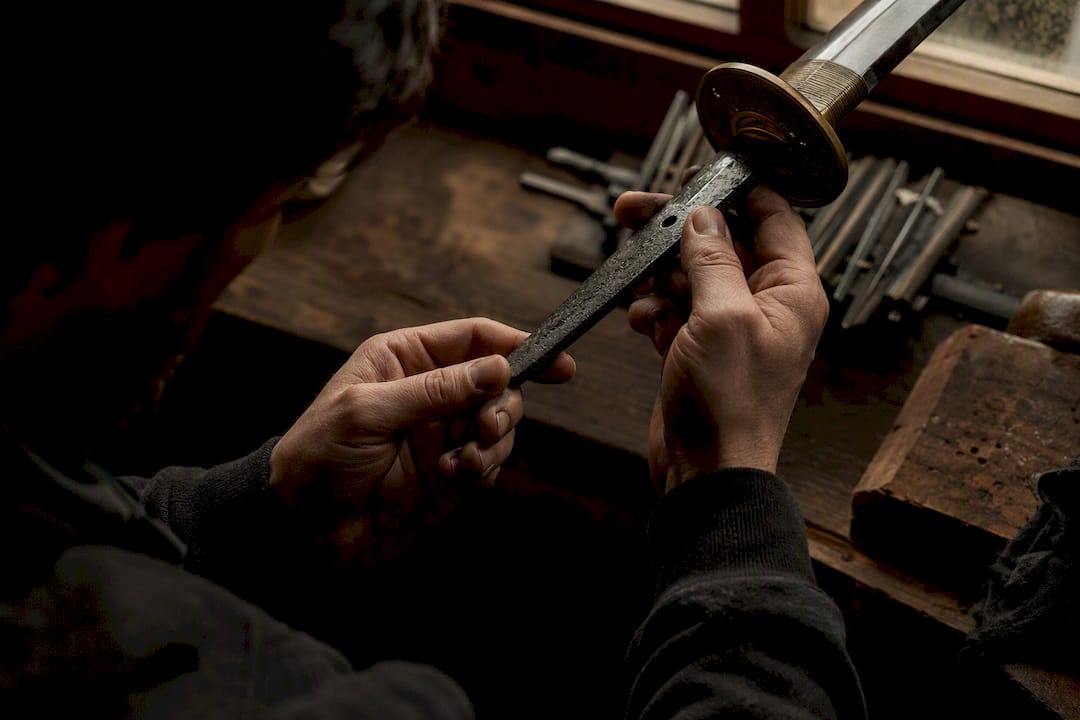
Pro Tip: Vague phrases like “battle-inspired” or “sword style” in a description almost always signal a decorative piece. Genuine functional builds tend to state the steel grade and tang length outright because sellers know that’s what serious buyers ask for first.
For a deeper walkthrough of grading these details yourself, Propswords has a step-by-step quality assessment guide worth reading before your first purchase.
Buying a Masamune Replica Online: Red Flags to Watch For
Send sellers these questions before paying, and judge their answers as much as their products:
- Can you show a full photo of the tang and mekugi, not just the blade?
- What steel is this made from, and is there a stated hardness?
- Is the hamon forged through differential hardening, or applied after the fact?
- What’s your return policy if the piece doesn’t match the listing photos?
Reviewers who buy replica swords regularly report that sellers offering multiple close-up angles, tang shots, and a real return window consistently rate higher in buyer feedback than those who don’t.
Red flags stack up fast: no tang photo anywhere in the listing, a hamon that looks flat and uniform in every image, no returns accepted, or a price that seems too low for the materials claimed.
A too-heavy nodachi-length blade built from solid stainless steel creates stress right at the tang, and that stress tends to show up as a cracked mekugi hole after a few trips in a duffel bag rather than in your hands.
If you’re ordering anything over 40 inches, ask about shipping insurance and packaging specifically. Long blades flex during transit, and a poorly padded box is the most common cause of arrival damage.
Caring for Your Masamune Replica
Routine maintenance is simple, but skipping it shows fast on carbon steel blades:
- Wipe down with a light oil every one to two months, more often in humid climates.
- Keep humidity moderate where the sword is displayed; damp basements accelerate rust on any exposed steel.
- Handle the blade with a cloth or gloves, since skin oils etch into carbon steel over weeks.
- Display horizontally on a stand or edge-up in a wall mount, never edge-down where gravity stresses the tip.
Pro Tip: For cosplay use, double-check that fittings like the tsuba (guard) and handle wrap are secured before every event. A loose guard rattling loose mid-shoot is more common than you’d think, especially with a sword that’s been packed and unpacked a dozen times.
For mounting hardware and orientation specifics, Propswords covers safer setups in its display guide for replica swords, and its showcase preparation resource walks through preserving finish long term.
What Should You Expect to Pay for a Masamune Replica?
Budget roughly tracks quality on this category more predictably than most collectibles:
- Entry-level decorative ($50 to $150): stainless steel, painted or etched hamon, fine for a first piece or a con prop that won’t see repeat heavy handling.
- Mid-range display/cosplay ($150 to $400): better fit and finish, some sellers disclose tang construction honestly, good balance of cost and durability.
- Premium display/collector ($400 and up): hand-finished blades, documented hardness, sometimes real differential hardening that produces genuine hamon depth.
In the mid-range band, prioritize honest tang photos and a reasonably thick nakago over flashy blade art. In the premium band, expect provenance details and a hand-forged finish, not just a higher price tag on the same factory blade.
One thing worth saying plainly: treat most of these purchases as aesthetic investments, not financial ones. A $500 replica won’t appreciate like an antique nihonto blade might.
Final Recommendation: What to Do Next
Buy display-quality unless a seller proves otherwise in writing. Here’s your immediate checklist:
- Request tang, mekugi, and hamon photos before you pay anything.
- Confirm the exact steel type and, if claimed, the hardness rating.
- Set your budget band first, then shortlist sellers who match it with transparent specs.
- For display-ready or cosplay-ready Masamune-style pieces, check Propswords’s inventory, photo detail, and return terms against the checklist above.
Whatever you choose, keep it packed securely for any travel and confirm event or venue carry rules ahead of time.
A Collector’s Quick-Check Routine
I check three things before I even read the price: the tang photo, the hamon under two lighting angles, and whether the return policy is longer than seven days. If a listing skips the tang shot, I move on. Balancing how good a piece looks against how safely it displays and travels matters more than chasing screen accuracy.
Where to Find Display-Ready and Cosplay-Ready Masamune Replicas
Propswords stocks Masamune-style pieces built specifically around what this guide just covered: visible tang construction, multiple close-up photos per listing, and a return policy that doesn’t punish you for asking questions first.
If you want something to hang on a wall or anchor a collection shelf, the top display-worthy movie sword collection is the better starting point, since those listings emphasize finish and presentation over blunt edges. If you’re prepping for a convention appearance instead, the cosplay sword preparation guide walks through safe modifications and event-ready fittings specific to prop use. Either way, start by browsing the current top replica sword picks and cross-check tang photos and steel specs against the checklist above before adding anything to your cart.
Sources
- masamune replica: any good?
- e-Museum – Sword with no sign, by Masamune (celebrated Ishida Masamune)
- Long Sword (Katana) known as Meibutsu Shimazu Masamune – Kyoto National Museum KNM Collection Database
FAQ
Are Masamune Replicas Safe to Use for Cutting?
No. Most commercial Masamune replicas are built as display or cosplay pieces, and only sellers who explicitly document carbon steel and battle-ready construction should be trusted for anything beyond display.
What’s the Difference Between a Forged and Etched Hamon?
A forged hamon comes from differential hardening during production and shifts subtly in brightness under angled light, while an etched hamon is applied after the blade is finished and typically looks flat and uniform.
How Much Should I Budget for a Quality Display Masamune Replica?
Entry-level decorative pieces run $50 to $150, mid-range display and cosplay pieces run $150 to $400, and premium hand-finished collector pieces start around $400.
Does Propswords Sell Masamune-Style Replicas for Both Display and Cosplay?
Yes, Propswords carries Masamune-style pieces across display and cosplay categories, with tang photos and return policies listed to help buyers verify construction before purchase.
Is It Legal to Carry a Replica Sword to a Convention?
Rules vary by venue and jurisdiction, so check specific blade-length restrictions and carry policies with the event or local authority before you travel with any replica sword.
Recommended