TL;DR:
- Swords serve as highly symbolic gifts representing honor, respect, and cultural identity across various traditions.
- Their craftsmanship and artistry add collectible value, making them meaningful and lasting presents for enthusiasts.
Swords are defined as one of the most symbolically loaded gift categories in the collectibles market, combining artistry, cultural history, and personal meaning in a single object. Few gifts carry the weight of a hand-forged blade or a meticulously detailed replica inspired by a beloved film, anime series, or historical era. Whether you are shopping for a history enthusiast, a cosplayer, or a serious collector, understanding why swords make unique gifts helps you choose something that genuinely resonates. This article covers cultural symbolism, craftsmanship value, legal considerations, and practical selection tips so your gift lands with real impact.
Why swords make unique gifts: culture, symbolism, and meaning
Swords are not simply weapons. Across cultures and centuries, they have functioned as symbols of honor, authority, and deep respect. Understanding that symbolic weight is the first step to appreciating why sword gifts carry meaning that a standard present simply cannot replicate.
In Japanese tradition, the katana represents the soul of the samurai. Gifting one communicates profound respect for the recipient’s character and discipline. In medieval Europe, the ceremonial presentation of a sword marked knighthood, loyalty, and the transfer of trust between individuals. These meanings did not disappear with the end of feudal society. They migrated into ceremony, art, and collecting culture, where they remain very much alive today.
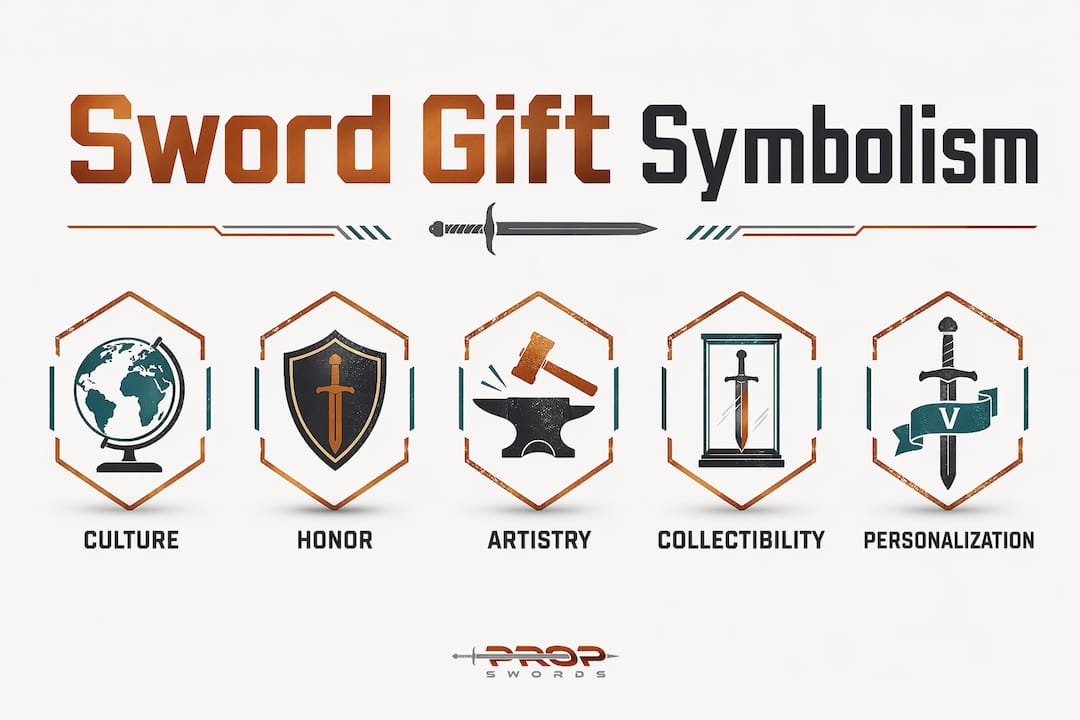
Ceremony swords symbolize admiration and unity across traditions worldwide, making them memorable gifts that carry emotional weight far beyond their physical form. That is the core of their appeal as special occasion swords. They mark milestones, honor achievements, and communicate feelings that words sometimes cannot.
The cultural meanings embedded in sword gifting include:
- Honor and respect: Presenting a sword signals that you view the recipient as someone worthy of admiration, a message few other gifts can deliver.
- Protection and strength: Viking and Celtic sword traditions tied the blade to the idea of guarding what matters most, making them powerful symbols for life transitions like graduations or new ventures.
- Unity and loyalty: Ceremonial sword presentations in military and martial arts contexts reinforce bonds between people, which is why they remain popular at retirements and promotions.
- Warrior identity and valor: For fans of historical periods or fictional universes like The Lord of the Rings or Demon Slayer, a themed replica connects the recipient to an identity they genuinely admire.
“A sword given as a gift is not just an object. It is a statement about who you believe the recipient to be.”
That emotional dimension is what separates sword collecting gifts from generic memorabilia. The right sword tells a story about the person receiving it.
How craftsmanship and artistry add lasting collectible value
A sword’s value as a gift is inseparable from the skill required to make it. Each handcrafted katana creates a lasting memory that mass-produced gifts simply cannot match. This is the foundation of the collectible sword market and a key reason why choosing swords as gifts continues to grow in popularity.
The craftsmanship behind collectible swords involves several layers of artistry:
- Hand-forging and metallurgy: Traditional Japanese swordsmiths fold high-carbon steel dozens of times to create a blade with distinct grain patterns. No two hand-forged swords are identical, which gives each piece genuine uniqueness.
- Signature swordsmiths and limited editions: Named makers like Yoshindo Yoshihara in Japan or contemporary American bladesmith Murray Carter produce swords that appreciate in value over time. A signed or limited-edition piece is a collectible asset, not just a decorative item.
- Replica accuracy and detail: High-quality replicas inspired by anime, film, or historical records require extensive research and precision casting or forging. The level of detail in a well-made replica of Ichigo’s Zangetsu from Bleach or Aragorn’s Andúril from The Lord of the Rings reflects genuine artistic investment.
- Materials and finishing: The choice of handle wrap (ito), guard design (tsuba), and blade polish all contribute to a sword’s visual and tactile quality. These details are what collectors value in sword craftsmanship.
The accessibility of sword collecting has expanded significantly. A Japanese sword museum gift shop sold out 100 acrylic keychain swordsmith collectibles in just 2.5 days at roughly $3 each. That rapid sellout proves that sword collecting culture extends well beyond serious collectors with large budgets. Entry-level items like miniatures, keychains, and display-ready replicas bring the same cultural resonance at a fraction of the cost.
Pro Tip: If your recipient is new to sword collecting, start with a display-ready replica from a recognized theme they love. It introduces them to the hobby without the maintenance demands of a functional blade.
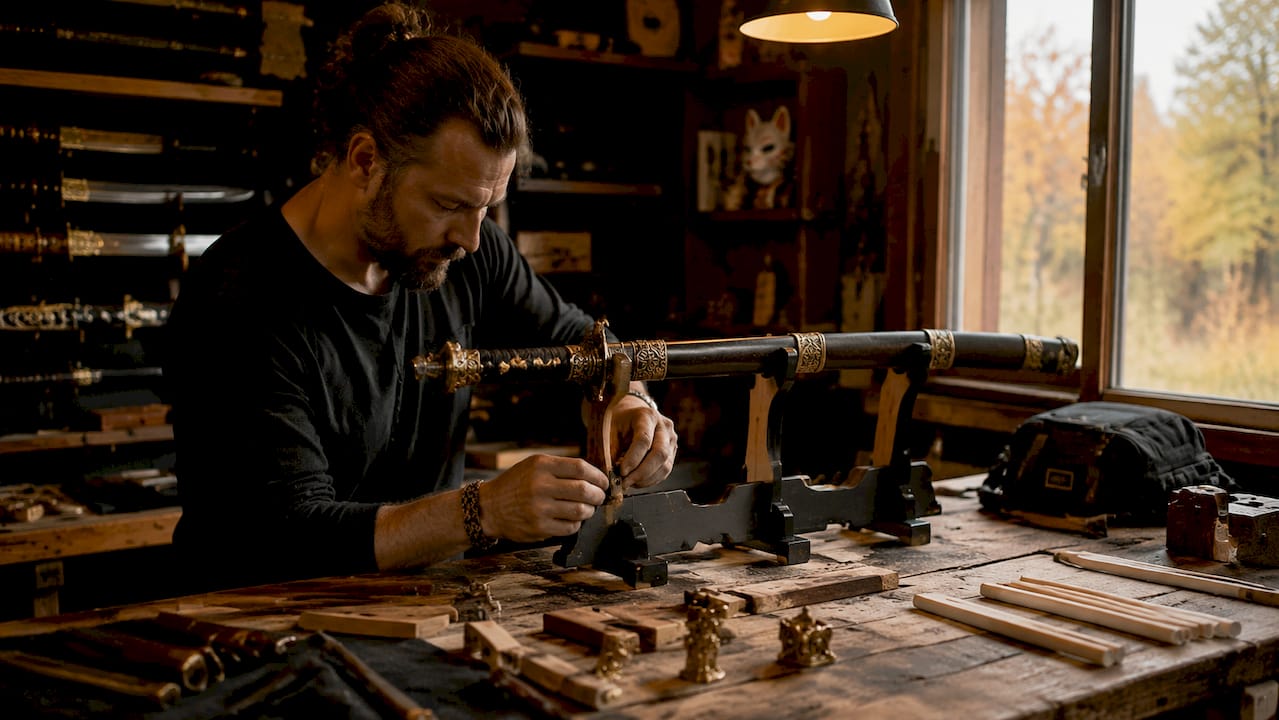
The handmade quality in themed collectibles is what separates a meaningful gift from a forgettable one. Craftsmanship signals that you put thought into the selection, which amplifies the emotional impact of the gift itself.
What legal considerations affect giving swords as gifts
Legal ownership rules shape which sword gifts are appropriate, and ignoring them can turn a thoughtful present into a serious problem. The rules differ significantly between the US and UK, and between home ownership and public carrying.
| Jurisdiction | Home ownership | Public carry | Key restrictions |
|---|---|---|---|
| United States | Generally legal at the federal level | Regulated by state and local laws | Rules vary dramatically by location |
| England and Wales | Legal for most swords | Illegal without lawful authority | Curved blades over 50 cm are prohibited |
In the US, no federal law prohibits sword ownership for home display or martial arts practice. However, transporting a sword in a vehicle or carrying it in public is governed by state and local ordinances that vary dramatically. California, New York, and Texas each have different rules on blade length and concealment.
In England and Wales, adults can legally own most swords at home, but curved blades over 50 cm are banned regardless of purpose. Exemptions exist for genuinely antique swords and handcrafted pieces made by traditional methods. This means legality shapes gift choice toward display-oriented, hand-forged, or antique pieces when gifting to UK recipients.
Pro Tip: When gifting a sword, always frame it explicitly as a display or collection piece. Include a note or card stating its intended decorative purpose. This simple step reinforces the legal classification and sets the right expectation for the recipient.
The practical takeaway for gift shoppers is straightforward. Prioritize decorative replicas, display-ready pieces, and antique or hand-forged swords when you are unsure of the recipient’s local laws. These categories satisfy the gifting a sword pros and cons equation by maximizing meaning while minimizing legal risk.
How to choose the perfect sword gift by type, theme, and personalization
Selecting the right sword gift comes down to matching the blade to the person. Sword gifts tailored to recipient interests consistently deliver stronger emotional impact than generic selections.
The three main categories of sword gifts are:
- Decorative swords: Designed purely for display. These include wall-mounted pieces, ceremonial replicas, and ornamental blades with detailed hilts and scabbards. They require no maintenance beyond occasional dusting and carry no functional concerns.
- Replica swords: Accurate reproductions of historical or fictional blades. Options range from samurai katanas and Viking longswords to anime-inspired pieces like Tanjiro’s blade from Demon Slayer or Cloud’s Buster Sword from Final Fantasy VII. These appeal strongly to cosplayers, anime fans, and history enthusiasts.
- Functional swords: Battle-ready or practice blades used in martial arts like Kendo, HEMA (Historical European Martial Arts), or Iaido. These are appropriate only for recipients who actively train and understand safe handling.
For recipients who are new to sword collecting, entry-level options like miniature replicas, acrylic display stands, or themed keychains offer a low-commitment introduction to the hobby. The rapid sellout of swordsmith keychains in Japan confirms that smaller sword-themed collectibles carry genuine cultural appeal even at accessible price points.
Personalization transforms a good gift into a great one. Options include engraved blades with the recipient’s name or a meaningful date, custom display plaques identifying the sword’s historical or fictional origin, and presentation boxes lined with velvet that frame the gift as a collector’s item from the moment it is opened.
Pro Tip: For anime or film fans, match the replica to a specific character moment rather than just the series. A replica of Mugen’s unconventional blade from Samurai Champloo means more to a fan than a generic katana because it references something specific they love.
Themed options also extend into gothic and alternative collectibles, where sword-inspired accessories and display pieces appeal to recipients interested in dark fantasy aesthetics. The breadth of available themes means there is a sword gift idea for virtually every personality type.
How to present and care for sword gifts to maximize impact
Presentation and care are what separate a sword gift that gets displayed with pride from one that ends up stored in a closet. Displaying swords properly enhances both collection appeal and longevity, and the way you deliver the gift sets the tone for how it will be treated.
Practical presentation tips include:
- Secure packaging: Wrap the blade in acid-free tissue or a soft cloth before boxing. Use a rigid outer box with foam inserts to prevent movement during transport. Never ship a sword loose inside a box.
- Display accessories: Include a wall mount, a wooden sword stand (katana-kake), or a tabletop display rack with the gift. This signals that the sword belongs on display, not in storage.
- Presentation context: A handwritten note explaining the sword’s historical or fictional origin adds depth. A brief card describing the samurai tradition behind a katana or the Norse mythology behind a Viking sword transforms the gift into an educational experience.
- Maintenance kit: For functional or high-quality decorative swords, include a basic care kit with a soft polishing cloth, a light oil applicator, and a cleaning guide. This shows foresight and care.
| Sword type | Recommended display | Maintenance frequency |
|---|---|---|
| Decorative replica | Wall mount or display stand | Dust monthly, polish quarterly |
| Functional blade | Wooden sword stand | Oil blade after each handling |
| Antique or collectible | Glass display case | Professional conservation annually |
Safe delivery and display planning are especially important when shipping swords across state lines or internationally, where transport regulations may apply. Always check local carrier policies before shipping a sword as a gift.
Pro Tip: If you are gifting a sword in person, present it horizontally with both hands. This gesture mirrors the traditional Japanese and ceremonial sword presentation etiquette and adds a layer of cultural respect that the recipient will remember.
Key takeaways
Swords make unique gifts because they combine cultural symbolism, handcrafted artistry, and collectible significance in a way that no standard gift category can replicate.
| Point | Details |
|---|---|
| Cultural symbolism drives meaning | Swords represent honor, respect, and identity across Japanese, European, and Viking traditions. |
| Craftsmanship creates lasting value | Hand-forged and limited-edition swords appreciate over time and carry uniqueness no mass-produced gift can match. |
| Legal awareness protects the gift | Prioritize decorative or antique swords to stay within US and UK ownership laws and avoid complications. |
| Theme matching maximizes impact | Aligning the sword to the recipient’s specific interests, whether anime, history, or ceremony, deepens the emotional connection. |
| Presentation amplifies the experience | A display stand, care kit, and cultural context note transform a sword into a complete gifting experience. |
Why I keep recommending swords as gifts when others hesitate
Most gift guides treat swords as a novelty, a quirky option for the person who has everything. That framing undersells them completely. In my experience, a well-chosen sword is one of the few gifts that recipients actually remember years later. It occupies physical space in their home, it carries a story, and it reflects something specific about who they are.
The craftsmanship argument is the one I find most compelling. When you hand someone a replica of a blade they have admired in a film or a hand-forged piece that references a tradition they respect, you are giving them something that required real skill to produce. That is increasingly rare in a world of algorithmically generated gift recommendations and same-day delivery commodities.
The legal dimension is not a reason to avoid sword gifts. It is a reason to be thoughtful about selection. Choosing a display-ready replica or a hand-forged antique piece is not a compromise. It is the smarter choice because it removes ambiguity and focuses the gift on its true purpose: admiration, display, and cultural connection. The gifting a sword pros and cons conversation almost always resolves in favor of the gift when you approach selection with that clarity.
— Muhammad
Find the perfect sword gift at Propswords
Propswords carries one of the most carefully curated selections of replica and collectible swords available online, covering anime, Viking, historical, and fantasy themes. Every piece is selected with display quality and gifting appeal in mind, and free shipping within the USA makes it easy to deliver something genuinely impressive. Whether you are looking for a screen-accurate anime replica or a ceremonially styled historical sword, the best replica swords for 2026 collection is the right place to start. For recipients who love cosplay, the cosplay sword preparation guide helps you choose a piece that is both visually authentic and safe to use.
FAQ
What makes swords better gifts than other collectibles?
Swords combine cultural symbolism, handcrafted artistry, and display value in a single object, which most collectibles cannot match. They carry historical and emotional meaning that makes them memorable long after the occasion.
Are replica swords legal to give as gifts in the US?
Owning replica swords at home is generally legal across the US, with no federal prohibition on collection or display purposes. Public carry rules vary by state, so framing the gift as a display piece removes most legal concerns.
What sword gift is best for someone new to collecting?
Entry-level options like themed miniatures, display-ready replicas, or sword-themed keychains are ideal starting points. A Japanese sword museum sold out 100 swordsmith keychains in 2.5 days, confirming strong demand for accessible collectibles.
Can I personalize a sword gift?
Engraving the blade with a name or date, adding a custom display plaque, and including a velvet-lined presentation box are all standard personalization options. These details shift the gift from decorative to deeply personal.
What is the safest way to transport a sword as a gift?
Wrap the blade in acid-free cloth, use a rigid box with foam inserts, and check local carrier policies before shipping. Always include documentation identifying the sword as a decorative or collectible item to avoid transport complications.
Recommended