


TL;DR:
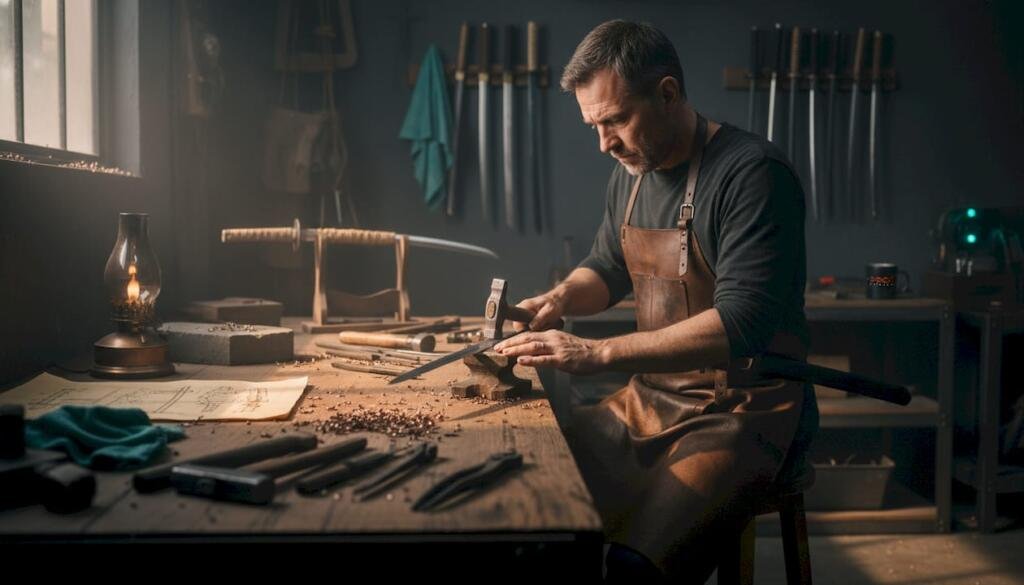
- Choosing a collectible sword requires understanding key indicators of craftsmanship beyond aesthetics, such as material quality and blade forging techniques. Elite swords are distinguished by forged blades, precise fittings, authentic materials, and balanced weight, which ensure both visual appeal and longevity. Passion combined with technical skill in the maker’s work creates truly valuable and emotionally resonant pieces that stand out in any collection.
Picking the right collectible sword sounds exciting until you’re staring at hundreds of movie-inspired, anime-based, and historically themed replicas that all claim to be premium quality. The market is flooded with options ranging from genuine masterworks to hollow-handled disappointments that fall apart within months of display. Serious collectors know the difference isn’t always obvious from a product photo. Understanding what actually defines superior sword craftsmanship gives you a real framework for making smarter, more satisfying purchases that hold up in both visual impact and lasting value.
Table of Contents
- Key criteria for sword craftsmanship: What collectors should look for
- Top craftsmanship qualities: What sets elite swords apart
- Comparison table: Real examples of craftsmanship in replica swords
- How craftsmanship influences value and display impact
- Why the best sword craftsmanship blends passion and precision
- Ready to find your next masterpiece?
- Frequently asked questions
Key Takeaways
| Point | Details |
|---|---|
| Look beyond appearance | Assess construction, materials, and finishing details not just surface aesthetics. |
| Prioritize authentic craftsmanship | True collectibles use proper forging techniques and attention to historical or fantasy detail. |
| Compare before you buy | Feature-by-feature comparisons help you spot value and avoid costly mistakes. |
| Display value matters | How a sword looks and lasts on display is as important as its origin story or fandom connection. |
Key criteria for sword craftsmanship: What collectors should look for
After understanding why craftsmanship is vital, let’s break down the core qualities that should guide your search.
Expert collectors analyze several features to assess sword quality, and the list goes well beyond surface-level aesthetics. When you know what to look for, you stop being impressed by shiny photography and start seeing the actual construction behind each piece.
The most important criteria fall into five main categories:
- Material selection: High-carbon steel, stainless steel, or specialized alloys each serve different collector purposes. The quality of wood, leather, bone, or resin used in hilts and grips matters just as much as the blade material itself.
- Blade forging and finishing: Forged blades hold a fundamentally different character than stamped or cast ones. Look for clean, consistent edges, proper distal taper (where the blade gradually thins toward the tip), and a polished or battle-worn finish that matches the sword’s theme.
- Attention to detail in fittings: Guard, grip, pommel, and any decorative elements should align precisely with the original design. Gaps, misaligned parts, or wobbly fittings are immediate red flags.
- Functional versus decorative intent: Some replicas are built purely for display with lighter construction and ornamental finishes. Others are battle-ready with tempered blades and reinforced fittings. Knowing the difference helps you pick what actually fits your collection goals.
- Balance and weight distribution: Even display swords benefit from proper balance. A well-balanced sword feels intentional in the hand, which is a direct reflection of the smith’s skill and the design’s authenticity.
The expert collector checklist used by serious hobbyists consistently returns to these same fundamentals, whether the sword is inspired by Viking history or a blockbuster fantasy film.
Pro Tip: When evaluating a replica in person or through detailed product descriptions, pick up or examine the blade from the base toward the tip. A sword with poor taper will feel nose-heavy and unbalanced. That imbalance tells you a lot about the overall manufacturing quality.
Understanding historical techniques and art behind actual sword-making also helps collectors recognize when a replica is paying genuine homage versus simply copying a silhouette. The best replicas reference real tradition, even when the design itself is entirely fictional.
Top craftsmanship qualities: What sets elite swords apart
With core criteria in mind, let’s dive into the specific qualities that make an elite sword stand out.
Aesthetics and structure working together leads to true collector’s quality, and you can see this in the details that separate average replicas from truly impressive pieces. Here are the top qualities to look for, ranked by their impact on overall craftsmanship:
- Forged versus stamped blades. A forged blade undergoes heat treatment and repeated working of the metal, which aligns the grain structure and improves strength and visual character. Stamped blades are punched out of sheet steel, leaving a flat, lifeless look and significantly weaker construction. Even for display-only pieces, forged blades carry a visual richness that photographs can’t fake.
- Quality of hilt and pommel assembly. The hilt is where your hand meets the sword, and for a display piece, it’s often where the eye goes first. Elite swords feature tightly fitted guards with no wobble, grips wrapped in genuine leather or high-quality synthetic material, and pommels that are properly threaded or peened rather than glued in place.
- Inlay, engraving, and artistic embellishments. Runes, clan symbols, anime-inspired inscriptions, or fantasy motifs should be crisp and clean, not soft or smeared. Deep-cut engraving holds visual detail under different lighting conditions. Shallow stamped patterns fade quickly and lose their appeal within a few years of display.
- Authentic materials for replica accuracy. A sword based on a specific historical period or fictional universe should use materials that honor the original. Viking-inspired swords with chrome plastic fittings immediately break the illusion. Authentic wood, genuine leather wrapping, bronze-toned or blackened metal fittings, and period-accurate blade shapes all contribute to a replica that feels genuinely connected to its source.
- Fit and finish throughout. Look for seamless joins between guard and blade, consistent edge geometry, and finishes that are applied evenly without drips, thin spots, or color bleeding. Run your finger along the spine and spine-to-guard junction. Any sharpness or roughness that wasn’t intentional in the design indicates cutting corners in production.
“The difference between a sword you’re proud to display and one that collects dust often comes down to whether the maker cared about every inch of the piece, not just the parts that show in marketing photos.”
Understanding display sword differences between ornamental and functional builds helps you match your expectations to what the sword was actually built to do. Neither category is better overall, but picking the wrong one for your needs is an expensive mistake.

Comparison table: Real examples of craftsmanship in replica swords
Once you know what to look for, comparing actual swords side by side makes differences instantly clear.
Collectors often use a feature-by-feature approach when comparing swords, and a comparison table is one of the most practical tools for that process. Here’s how different sword tiers typically stack up across the key craftsmanship criteria:
| Feature | Budget replica | Mid-range collector piece | Premium/elite replica |
|---|---|---|---|
| Blade material | Stainless steel, thin gauge | High-carbon or tempered stainless | Forged high-carbon steel |
| Hilt assembly | Glued or friction-fit | Threaded pommel, basic grip wrap | Peened or fully threaded, leather wrap |
| Engraving/inlay | Stamped or printed | Machine-cut engraving | Hand-finished deep engraving |
| Balance | Blade-heavy, awkward | Acceptable center of balance | Purpose-set balance point |
| Finish quality | Uneven coating, visible seams | Consistent finish, minor flaws | Flawless finish, seamless joins |
| Design accuracy | Approximate shape only | Good detail match | Museum or screen-accurate |
| Display suitability | Short-term only | Strong, multi-year display | Permanent display piece |
| Collector value | Minimal over time | Moderate retention | Appreciates with demand |
Statistic worth noting: Industry estimates suggest that fewer than 20% of replica swords on the open market genuinely meet serious collector-grade standards across all major criteria. That means four out of five swords you browse may look impressive in photos but fall short when examined closely in person.
Understanding why swords are collectible comes down to a combination of cultural significance, fandom connection, and genuine appreciation for craftsmanship. The table above shows that the gap between budget and premium isn’t just a matter of price. It reflects completely different manufacturing philosophies.
A budget replica is built to look like a sword in a photo. A premium replica is built to be a sword in your collection. That distinction shapes everything from the choice of steel to how the grip is attached.
How craftsmanship influences value and display impact
Now that you’ve compared real examples, let’s see why craftsmanship matters beyond the initial purchase.
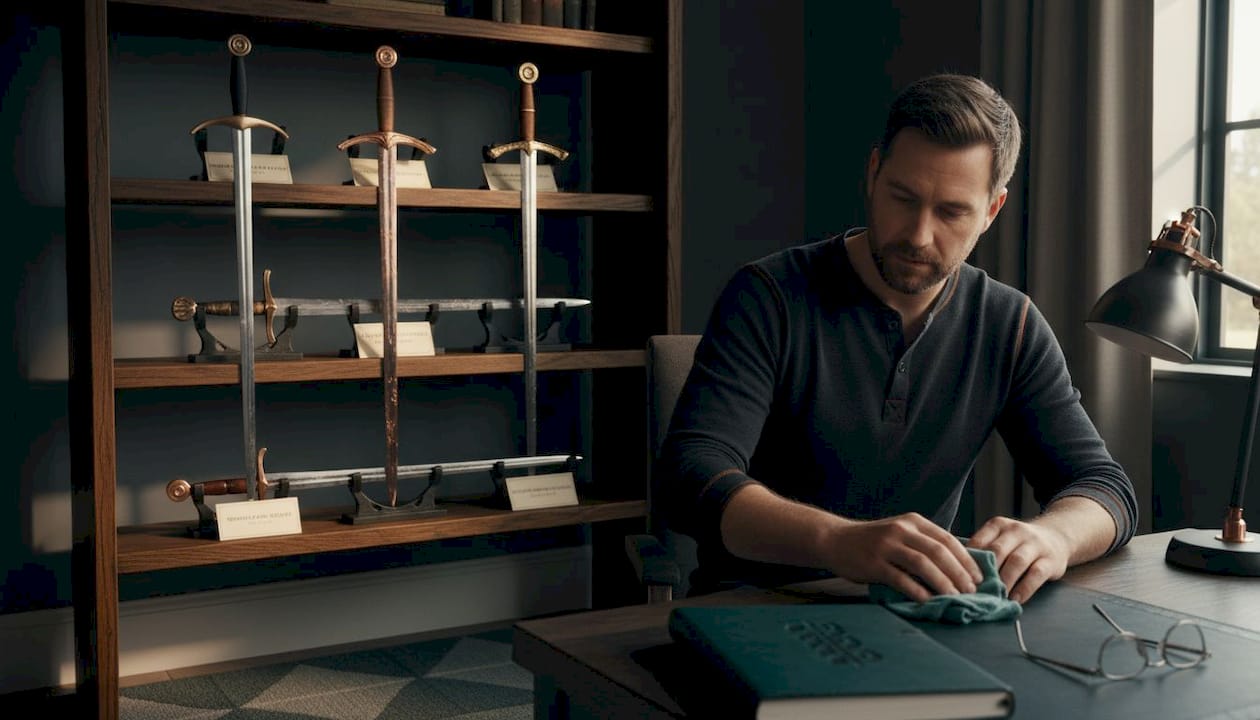
Display value is closely tied to craftsmanship, especially for fandom and historical pieces that collectors invest in emotionally as well as financially. The physical quality of a sword determines how it ages, how it looks under different lighting conditions, and how it holds up to decades of display.
Here’s what craftsmanship quality actually affects over the long term:
- Longevity of display appearance. Lower-quality finishes oxidize, chip, or fade within a few years. Premium steel with proper heat treatment and quality finishing maintains its look for decades. Leather grips age gracefully on well-made swords rather than cracking and peeling.
- Emotional and collector satisfaction. Swords you connect with on a deeper level, knowing the blade was hand-polished or the engraving was cut by an artisan, carry a different weight in a collection. That emotional connection is a real part of collector value.
- Spotting fakes and poor imitations. Lightweight blade feel, wobbling guard, poorly centered fuller (the groove running down a blade), and color inconsistencies in the finish are all warning signs. A real collector learns to see these quickly.
- Investment considerations. Not every replica sword becomes a financial asset, but well-made pieces tied to iconic films, beloved anime series, or significant historical periods do appreciate in value when craftsmanship backs the design. Poorly made swords, regardless of what they’re based on, tend to lose value rapidly.
Pro Tip: When mounting a display sword, the quality of your mounting setup matters as much as the sword itself. Guides on safe and stunning sword displays show that the right wall mount, proper lighting angle, and appropriate spacing can dramatically increase the visual impact of even a single-sword display. Use the display checklist to make sure nothing gets overlooked.
Craftsmanship also determines how a sword interacts with light. A blade with a proper hand-polished mirror finish will reflect ambient light dramatically differently from a machine-buffed surface. When collectors set up displays, that difference becomes visually obvious and rewarding. It’s one of those details that separates a room with a sword on the wall from a room with a collection on the wall.
Why the best sword craftsmanship blends passion and precision
Here’s a personal take on what makes great sword craftsmanship truly special, having spent considerable time evaluating replicas across every tier of the market.
There’s a common assumption among newer collectors that technical perfection is the gold standard for a great sword. Find the most precisely manufactured piece, the one with the tightest tolerances and the most accurately replicated dimensions, and you’ve found the best sword. That thinking misses something important.
Technical precision without genuine passion for the design produces swords that are impressive on a spec sheet but cold in a collection. You can feel it. A blade ground to perfect geometry but finished without care for how the polishing interacts with the fuller’s curve is technically correct but visually lifeless. The opposite is equally true. A beautifully imagined fantasy sword with dramatic design and striking color accents, built on a cheap stamped blade with a glued pommel, is pure visual disappointment the moment you pick it up.
The swords that earn permanent positions in serious collections are the ones where the maker clearly understood and cared about both sides. The smith who grinds a blade and also knows that the curve of the edge needs to visually echo the design of the guard. The artisan who engraves a clan symbol knowing it will be the centerpiece of someone’s display for years. That intersection of technical craft and genuine design investment is what quality shapes collecting around in the long run.
Collectors who connect emotionally with the story and skill behind their swords consistently report more satisfaction with their collections than those who focus purely on specs or price points. A sword from a beloved anime series, built with the care and materials that honor that source material, becomes part of how you experience that story. That’s not sentimental fluff. It’s one of the core reasons sword collecting stays rewarding for decades rather than fading into a shelf of objects that stopped meaning anything.
Look for makers and products where both passion and precision are visible. When you find them, you’ll know immediately.
Ready to find your next masterpiece?
You’ve got the knowledge. Now it’s time to put it to use.

At Propswords, we’ve curated collections built specifically for collectors who take craftsmanship seriously. Whether you’re tracking down a screen-accurate fantasy piece or adding a historically inspired sword to an existing display, our lineup is selected with the criteria above in mind. Explore our top replica swords for 2026 to see what’s earning top marks from serious collectors this year. If fantasy and fandom pieces are your focus, our fantasy collectible swords collection features designs that balance creative ambition with genuine build quality. Free shipping within the USA makes it easier than ever to add a true masterpiece to your collection.
Frequently asked questions
What materials are most important in high-quality replica swords?
Collectors value premium steel and authentic fitting materials above all else. High-carbon steel for blades paired with genuine leather, quality wood, or bronze-toned metal fittings creates replicas that feel and look genuinely authentic.
How can I tell if a sword is made for display or for actual use?
Display versus functional build is a key difference to check before buying. Display swords tend to use thinner steel, decorative finishes, and lighter construction, while battle-ready swords feature fully tempered, thicker blades and reinforced assembly throughout.
Does craftsmanship affect a replica sword’s investment value?
Craftsmanship directly ties to both current collector appeal and long-term value retention. Well-built swords tied to iconic source material consistently hold or grow in value, while budget replicas depreciate quickly regardless of the design.
What details matter most for anime or fantasy sword replicas?
Design and decorative accuracy are the primary factors that separate great fantasy replicas from generic lookalikes. Faithful color reproduction, accurate proportions, and high-quality engraving or inlay work on signature design elements are the features serious collectors evaluate first.